

Can PE Kitchen Wrap be used to wrap meat?
Dec 04, 2025
Hey there! As a supplier of PE kitchen wrap, I often get asked a bunch of questions about our products. One of the most common ones is, "Can PE kitchen wrap be used to wrap meat?" Well, let's dig into this topic and find out.
First off, let's talk a bit about what PE kitchen wrap is. PE stands for polyethylene, which is a type of plastic. It's widely used in the food packaging industry because it's flexible, transparent, and relatively inexpensive. Our PE kitchen wrap is designed to keep food fresh by creating a barrier against air, moisture, and other contaminants.
Now, when it comes to wrapping meat, there are a few things to consider. Meat is a perishable food item, and it needs to be stored properly to prevent spoilage and the growth of harmful bacteria. PE kitchen wrap can be a great option for wrapping meat, but there are some dos and don'ts.
The Pros of Using PE Kitchen Wrap for Meat
1. Freshness Preservation
PE kitchen wrap forms a tight seal around the meat, which helps to keep oxygen out. Oxygen is one of the main factors that can cause meat to spoil. When meat is exposed to oxygen, it can develop a brownish color and an off - smell. By using PE kitchen wrap, you can slow down this process and keep the meat fresh for longer.
2. Moisture Retention
Meat contains a lot of moisture, and if it loses too much of it, it can become dry and tough. Our PE kitchen wrap helps to lock in the moisture, so your meat stays juicy and tender. Whether you're wrapping a steak, a chicken breast, or a roast, the wrap will help to maintain its moisture content.
3. Convenience
PE kitchen wrap is incredibly easy to use. You can simply tear off a piece, wrap it around the meat, and seal it. It's also very flexible, so you can wrap it around different shapes and sizes of meat. This makes it a convenient option for both home cooks and professional chefs.
The Cons of Using PE Kitchen Wrap for Meat
1. Limited Oxygen Exchange
While keeping oxygen out is good for freshness, some meats actually benefit from a little bit of oxygen exchange. For example, dry - aging beef requires a controlled amount of oxygen to develop its unique flavor and texture. In this case, PE kitchen wrap might not be the best choice because it creates an airtight seal.
2. Potential for Chemical Transfer
Although PE is generally considered safe for food contact, there is a small risk of chemical transfer. If the wrap is exposed to high temperatures or harsh chemicals, some of the plastic components could potentially leach into the meat. However, as long as you use our high - quality PE kitchen wrap and follow the proper storage and handling guidelines, this risk is minimal.
How to Use PE Kitchen Wrap to Wrap Meat Properly
1. Clean the Meat
Before wrapping the meat, make sure it's clean. Rinse it under cold water and pat it dry with a paper towel. This will help to remove any dirt or bacteria on the surface of the meat.
2. Cut the Right Amount of Wrap
Measure the meat and cut a piece of PE kitchen wrap that's large enough to fully cover it with some extra on the sides. You want to make sure there are no gaps where air or moisture can get in.
3. Wrap the Meat Tightly
Place the meat in the center of the wrap and start wrapping it around the meat, pulling the wrap tight as you go. Make sure to seal the edges well. You can use a bit of pressure to create a good seal.
4. Label and Date
It's a good idea to label the wrapped meat with the type of meat and the date you wrapped it. This will help you keep track of how long the meat has been in the fridge or freezer.
Different Types of PE Kitchen Wrap for Meat
1. PE Cheese Film
If you're looking for a thinner and more delicate wrap, PE Cheese Film might be a great option. It's perfect for wrapping small pieces of meat, like cheese - stuffed meatballs or individual slices of deli meat. It's very flexible and adheres well to the meat.
2. PE Cling Film Jumbo Roll
For larger cuts of meat or if you need to wrap a lot of meat at once, PE Cling Film Jumbo Roll is a great choice. It comes in a large roll, so you have plenty of wrap to work with. It's also very strong and can handle the weight of big roasts or whole chickens.
3. PE Food Wraps
Our PE Food Wraps are designed specifically for food storage. They are made from high - quality PE that is safe for contact with meat. These wraps are available in different sizes and thicknesses, so you can choose the one that best suits your needs.
Tips for Storing Wrapped Meat
1. Refrigeration
If you're going to use the meat within a few days, store it in the refrigerator. Make sure to place the wrapped meat on a plate or in a container to catch any drips. Keep the fridge at a temperature between 32°F and 40°F (0°C and 4°C) to ensure the meat stays fresh.
2. Freezing
If you're not going to use the meat right away, you can freeze it. PE kitchen wrap can also be used for freezing meat. However, for long - term freezing, it's a good idea to double - wrap the meat to prevent freezer burn. You can use a layer of PE wrap and then a layer of aluminum foil or a freezer bag.
Conclusion
So, can PE kitchen wrap be used to wrap meat? The answer is yes! It's a great option for keeping meat fresh, moist, and convenient to store. However, you need to be aware of its limitations and use it properly. Whether you're a home cook looking to keep your groceries fresh or a business owner in the food industry, our PE kitchen wrap products can meet your needs.
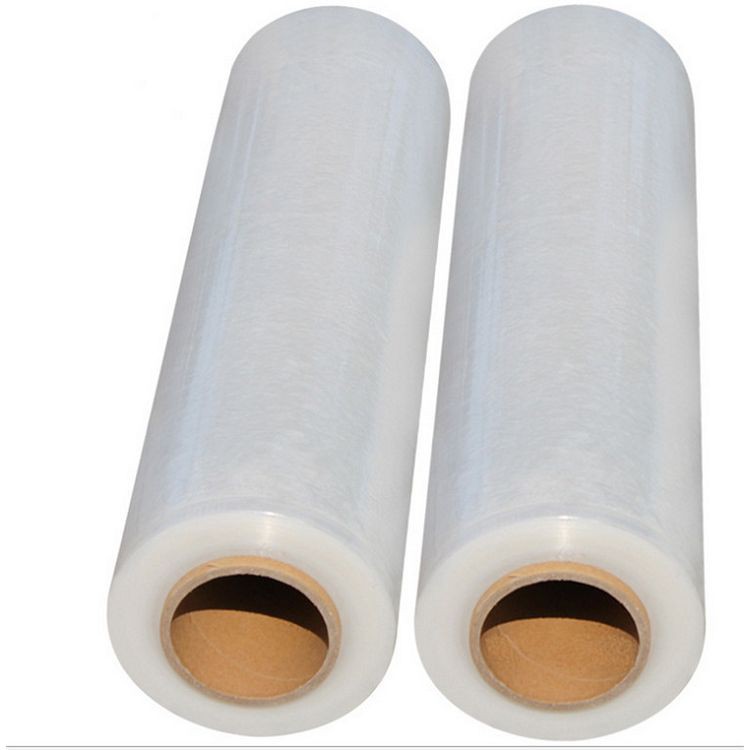

If you're interested in purchasing our PE kitchen wrap products, including PE Cheese Film, PE Cling Film Jumbo Roll, and PE Food Wraps, don't hesitate to reach out for a procurement discussion. We're here to offer you the best products and services.
References
- "Food Packaging: Principles and Practice" by Robertson, G. L.
- "The Science of Cooking" by McGee, H.