

Do PVC food wraps have a low - cost advantage?
May 22, 2025
As a supplier of PVC food wraps, I often encounter inquiries from customers about the cost - effectiveness of our products. In this blog, I will delve into whether PVC food wraps truly have a low - cost advantage, taking into account various factors such as production costs, market prices, and long - term value.
Production Costs
One of the primary reasons why PVC food wraps are often considered to have a low - cost advantage lies in their production costs. PVC, or polyvinyl chloride, is a widely available and relatively inexpensive raw material. It is produced in large quantities globally, which benefits from economies of scale. When manufacturing PVC food wraps, the raw material cost forms a significant part of the overall production cost. The abundance of PVC in the market helps keep the prices of this key ingredient down.
Moreover, the production process of PVC food wraps is well - established and efficient. Modern manufacturing techniques have streamlined the production of PVC films, allowing for high - volume output with relatively low labor and energy requirements per unit. For example, extrusion processes are commonly used to produce PVC films, which can be highly automated. This automation reduces the need for a large workforce and minimizes the risk of human errors, further contributing to cost savings.
In addition, the machinery used in PVC food wrap production is often less expensive compared to that required for some alternative materials. The equipment has been optimized over time, and there is a large market for used production machinery, which can be a cost - effective option for smaller manufacturers. This means that even companies with limited capital can enter the PVC food wrap production market, increasing competition and potentially driving down prices for consumers.
Market Prices
Looking at the market prices, PVC food wraps are generally more affordable than many of their counterparts. When you visit a grocery store, you will notice that PVC food wraps are often priced lower than other types of food wraps such as those made from polyethylene or polypropylene. This price difference is attractive to budget - conscious consumers and businesses alike.
For small - scale food businesses, such as local bakeries or delis, the cost of food wraps can add up quickly. Using PVC food wraps allows them to save on packaging costs without sacrificing too much on quality. These businesses can then pass on some of these savings to their customers, making their products more competitive in the market.

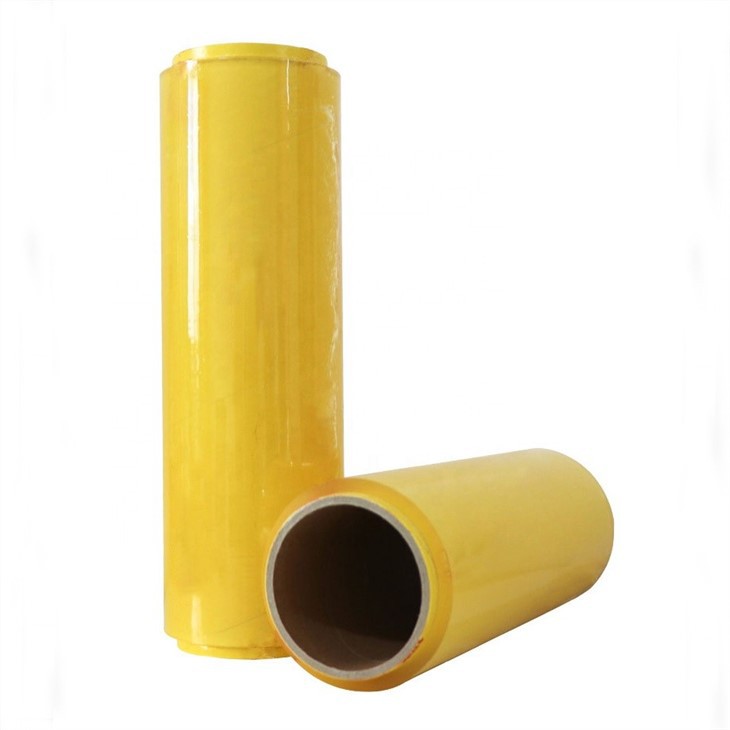
Even for large - scale food manufacturers, the cost savings from using PVC food wraps can be substantial. With high - volume production, even a small price difference per unit of food wrap can result in significant overall savings. This is especially important in an industry where profit margins can be tight, and every cost - saving measure counts.
Long - Term Value
Beyond the initial cost savings, PVC food wraps also offer long - term value. PVC has excellent cling properties, which means it can effectively seal food items, keeping them fresh for longer periods. This reduces food waste, which is not only beneficial for consumers but also for the environment. When food stays fresh longer, consumers don't have to throw away spoiled food as often, which can save them money in the long run.
In addition, PVC food wraps are durable and resistant to tearing. This means that they are less likely to break during use, reducing the need for additional wraps. For businesses, this translates into fewer product returns due to damaged packaging and a more reliable packaging solution.
Comparison with Alternative Materials
When compared to alternative materials, PVC food wraps hold their ground in terms of cost - effectiveness. For example, polyethylene food wraps, while they are also popular, often come with a higher price tag. Polyethylene is a different type of plastic, and its production process may require more energy and specialized equipment. As a result, the cost of polyethylene food wraps is typically higher than that of PVC food wraps.
Another alternative is biodegradable food wraps. These wraps are made from natural materials and are more environmentally friendly. However, the production of biodegradable food wraps involves more complex processes and the use of expensive raw materials. This makes them significantly more expensive than PVC food wraps. While biodegradable food wraps may be a better choice for some consumers who prioritize environmental sustainability, for those who are more concerned about cost, PVC food wraps are a more practical option.
Quality and Cost Balance
It's important to note that the low - cost advantage of PVC food wraps does not mean a compromise on quality. At our company, we ensure that our PVC Plastic Film and Transparent PVC Cling Film meet strict quality standards. We use high - grade PVC materials and advanced manufacturing processes to produce PVC Film Wraps that are safe for food contact, have excellent cling properties, and are durable.
We also conduct regular quality control checks to ensure that our products are free from defects and meet all relevant safety regulations. This way, our customers can be confident that they are getting a high - quality product at a low cost.
Conclusion
In conclusion, PVC food wraps do have a low - cost advantage. Their low production costs, affordable market prices, and long - term value make them an attractive option for both consumers and businesses. While there are alternative materials available, PVC food wraps offer a good balance between cost and quality.
If you are interested in learning more about our PVC food wraps or are considering a purchase, we encourage you to reach out to us for a detailed discussion. We are always ready to assist you with your specific needs and provide you with the best possible solutions. Let's start a conversation about how our PVC food wraps can help you save costs without sacrificing quality.
References
- "Plastics in Packaging: Technology and Sustainability" by John W. Rhim
- "The Economics of Plastic Packaging" by the Packaging Institute of America
- Industry reports on the production and market prices of PVC and alternative food wrap materials.