

How does PVC Cheese Film compare to ceramic crocks for cheese storage?
May 15, 2025
Hey there, cheese lovers and storage enthusiasts! As a PVC cheese film supplier, I've seen firsthand the different methods folks use to store their precious cheese. Today, I'm gonna break down how PVC cheese film stacks up against ceramic crocks for cheese storage.
Let's start with the basics. Ceramic crocks have been around for ages. They're like the old - school champions of cheese storage. These bad boys are made of clay that's fired at high temperatures, giving them a durable and sturdy structure. The porous nature of ceramic allows for a bit of air circulation, which can be great for certain types of cheese.
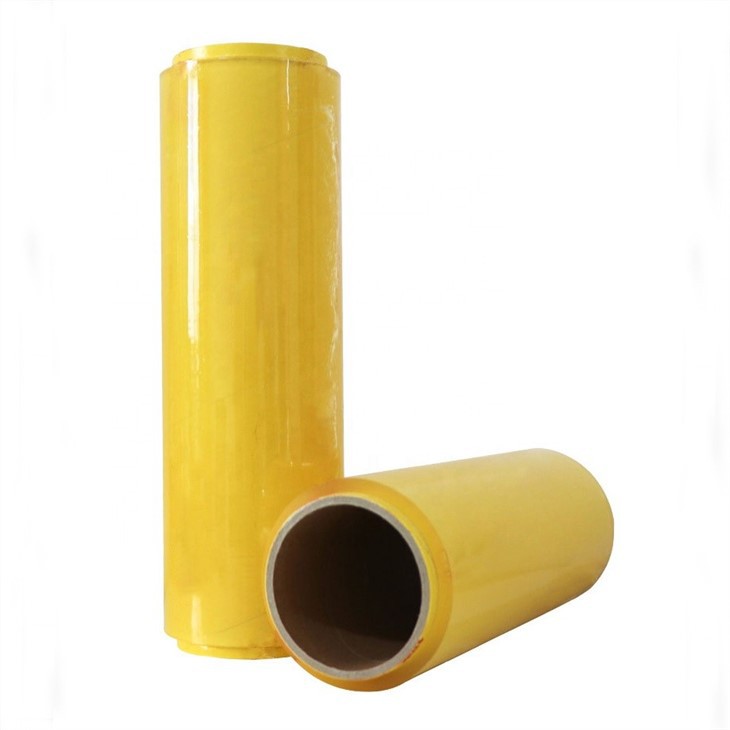
On the flip side, PVC cheese film is a more modern option. It's a thin, flexible plastic film that clings to the cheese, creating a tight seal. You can find different types of PVC films on our website, like PVC Vegetable Film, PVC Cling Film Jumbo Roll, and PVC Film Wraps.

Moisture Control
One of the most important factors in cheese storage is moisture control. Cheese is a living thing, and it needs the right amount of moisture to age properly.
Ceramic crocks are pretty good at this. The porous material helps to absorb excess moisture while also releasing a bit of humidity back into the environment. This natural balance can prevent the cheese from drying out too quickly. However, if the crock isn't properly maintained, it can also lead to mold growth. You gotta keep an eye on the humidity levels inside the crock and clean it regularly.
PVC cheese film, on the other hand, creates a barrier that helps to lock in moisture. It prevents the cheese from losing too much water, which is great for softer cheeses that can dry out easily. But here's the catch: if there's already too much moisture on the cheese when you wrap it, it can create a breeding ground for bacteria. So, it's important to make sure the cheese is dry before wrapping it with PVC film.

Air Circulation
Air circulation is another key aspect of cheese storage. Some cheeses need a bit of air to develop their flavors and textures.
Ceramic crocks allow for some air exchange through their porous walls. This can be beneficial for hard and semi - hard cheeses that need to breathe. The slow movement of air helps to prevent the growth of anaerobic bacteria and can enhance the aging process.
PVC cheese film, however, restricts air circulation. While this can be a disadvantage for some cheeses, it's actually an advantage for others. Soft cheeses, for example, are more prone to drying out and developing a tough rind if they're exposed to too much air. The tight seal created by PVC film keeps the cheese moist and prevents it from drying out.
Protection from Contaminants
When it comes to protecting your cheese from contaminants like dust, mold spores, and insects, both ceramic crocks and PVC cheese film have their pros and cons.
Ceramic crocks provide a physical barrier against external contaminants. The thick walls of the crock make it difficult for dust and insects to get in. However, if the crock isn't sealed properly, mold spores can still find their way inside. And once mold starts growing in the crock, it can be a real pain to get rid of.
PVC cheese film offers excellent protection against contaminants. The tight seal prevents dust, mold spores, and insects from reaching the cheese. It's also easy to see if there's any mold or other issues on the cheese through the transparent film. Plus, you can simply throw away the film if it gets contaminated, instead of having to clean a whole ceramic crock.
Ease of Use
Let's talk about how easy these two storage methods are to use.
Ceramic crocks can be a bit cumbersome. They're heavy and take up a lot of space. You also need to make sure you have the right size crock for your cheese. If the crock is too big, the cheese may not age properly. And cleaning the crock can be a hassle, especially if there's mold or cheese residue inside.
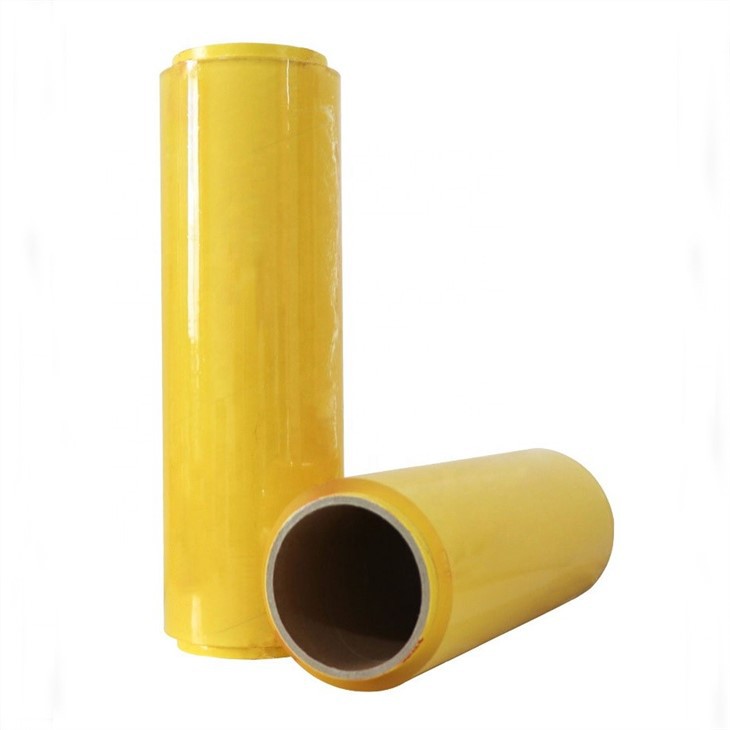
PVC cheese film, on the other hand, is super easy to use. It's lightweight and takes up very little space. You can cut the film to the right size for your cheese and wrap it up in seconds. And when you're done with the cheese, you just throw away the film. No cleaning required!
Cost
Cost is always a factor when it comes to choosing a storage method.
Ceramic crocks can be quite expensive, especially if you're looking for high - quality, handmade ones. You also need to factor in the cost of any accessories like lids or liners. And if you break a crock, you'll have to buy a new one.
PVC cheese film is much more affordable. It's sold in rolls, and you can use as much or as little as you need. You can also buy it in bulk, which can save you even more money in the long run.
Compatibility with Different Types of Cheese
Not all cheeses are created equal, and different types of cheese require different storage conditions.
Hard cheeses like Parmesan and Cheddar can do well in both ceramic crocks and PVC cheese film. In a ceramic crock, they can benefit from the air circulation and natural aging process. When wrapped in PVC film, they're protected from drying out and contaminants.
Soft cheeses like Brie and Camembert are better suited for PVC cheese film. The film helps to keep them moist and prevents them from developing a tough rind. While they can be stored in a ceramic crock, it's more difficult to control the moisture levels, and they may dry out faster.
Blue cheeses, with their unique mold cultures, need a bit of air circulation. A ceramic crock can be a good option for these cheeses, as long as you monitor the humidity levels carefully. However, you can also use PVC film if you make small holes in it to allow for some air exchange.
Conclusion
So, which is better for cheese storage: PVC cheese film or ceramic crocks? Well, it really depends on your needs and preferences.
If you're a fan of traditional methods and have the space and budget for it, ceramic crocks can be a great option. They offer a natural way to age cheese and can add a touch of charm to your kitchen.
But if you're looking for a convenient, affordable, and effective way to store your cheese, PVC cheese film is the way to go. It's easy to use, provides excellent protection, and is suitable for a wide range of cheeses.
If you're interested in trying out our PVC cheese film, or have any questions about cheese storage, don't hesitate to reach out. We're here to help you find the best solution for your cheese storage needs. Let's start a conversation and see how we can work together!
References
- "The Cheese Primer" by Marc Cooper
- "Cheese: An American Primer" by Laura Werlin
- Various industry reports on cheese storage and packaging materials