

How does PVC plastic wrap compare to cling film made from other materials?
Oct 16, 2025
When it comes to food storage and preservation, plastic wraps and cling films play a crucial role in households and commercial kitchens worldwide. As a supplier of PVC plastic wrap, I've witnessed firsthand the benefits and unique features of this product. In this blog, I'll delve into how PVC plastic wrap compares to cling films made from other materials, shedding light on its advantages and limitations.
Composition and Manufacturing Process
PVC, or polyvinyl chloride, is a synthetic plastic polymer that has been used in various industries for decades. PVC plastic wrap is manufactured by polymerizing vinyl chloride monomers, which results in a flexible and durable film. The production process involves adding plasticizers, stabilizers, and other additives to enhance the film's properties, such as flexibility, transparency, and clinginess.
In contrast, other materials commonly used for cling films include polyethylene (PE) and polypropylene (PP). PE cling films are made from polyethylene, a thermoplastic polymer derived from ethylene. PP cling films, on the other hand, are made from polypropylene, another thermoplastic polymer. These materials are typically produced through extrusion or blown film processes, which involve melting the polymer and shaping it into a thin film.
Performance and Functionality
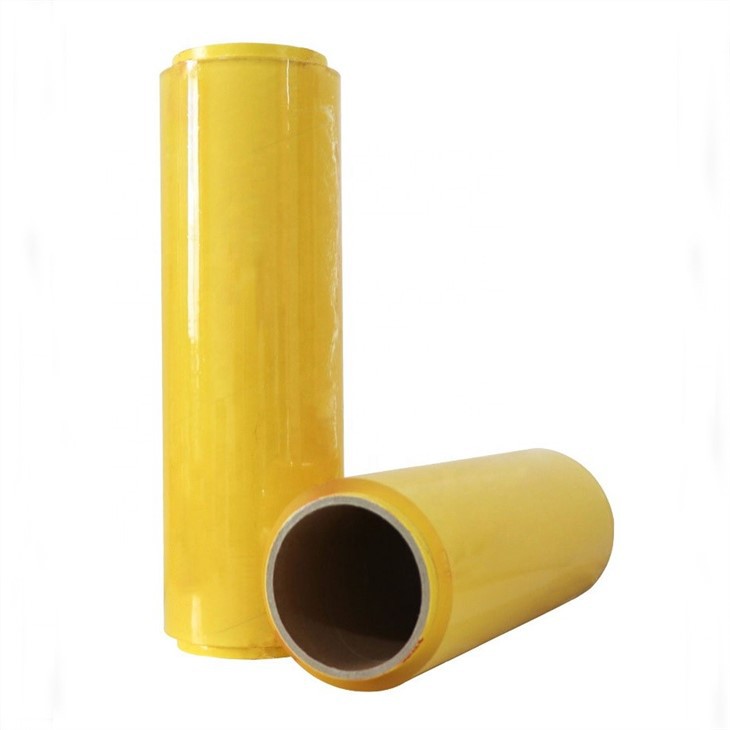
One of the key advantages of PVC plastic wrap is its excellent clinginess. PVC films have a natural electrostatic charge that allows them to adhere tightly to surfaces, creating a secure seal that helps to keep food fresh and prevent it from drying out. This makes PVC plastic wrap ideal for wrapping a wide range of foods, including fruits, vegetables, meats, and leftovers.
Another benefit of PVC plastic wrap is its transparency. PVC films are highly transparent, allowing users to easily see the contents of the wrapped food. This is particularly useful in commercial kitchens, where it helps to improve efficiency and reduce waste by allowing staff to quickly identify the contents of each package.
PVC plastic wrap also has good resistance to moisture and oxygen, which helps to extend the shelf life of food. The film acts as a barrier, preventing moisture from escaping and oxygen from entering, which can cause food to spoil. This makes PVC plastic wrap a popular choice for wrapping perishable foods, such as dairy products, meats, and seafood.

However, PVC plastic wrap does have some limitations. One of the main concerns is its environmental impact. PVC is a non-biodegradable material that can take hundreds of years to break down in the environment. Additionally, the production of PVC plastic wrap involves the use of chemicals, such as plasticizers and stabilizers, which can be harmful to human health and the environment if not properly managed.
In comparison, PE and PP cling films are generally considered to be more environmentally friendly than PVC plastic wrap. PE and PP are both recyclable materials, and the production of these films typically involves fewer chemicals than PVC. However, PE and PP cling films may not have the same level of clinginess or transparency as PVC plastic wrap, which can make them less suitable for certain applications.
Safety and Health Considerations
Another important factor to consider when choosing a cling film is its safety and health implications. PVC plastic wrap has been the subject of some controversy in recent years due to concerns about the potential release of harmful chemicals, such as phthalates and dioxins. Phthalates are a group of chemicals that are commonly used as plasticizers in PVC products, and they have been linked to a range of health problems, including hormonal disruptions, reproductive issues, and cancer.
To address these concerns, many PVC plastic wrap manufacturers have taken steps to reduce or eliminate the use of phthalates in their products. In addition, regulatory agencies around the world have established strict guidelines and standards for the use of PVC plastic wrap in food contact applications. These guidelines ensure that PVC plastic wrap is safe for use with food and that it meets the highest standards of quality and safety.
PE and PP cling films are generally considered to be safer than PVC plastic wrap in terms of their chemical composition. These materials do not contain phthalates or other harmful chemicals, and they are less likely to release toxic substances when exposed to heat or sunlight. However, it's important to note that all cling films should be used in accordance with the manufacturer's instructions and guidelines to ensure their safe and proper use.
Cost and Availability
Cost is another important factor to consider when choosing a cling film. PVC plastic wrap is generally less expensive than PE and PP cling films, making it a popular choice for budget-conscious consumers and businesses. Additionally, PVC plastic wrap is widely available in supermarkets, grocery stores, and online retailers, making it easy to find and purchase.
PE and PP cling films may be more expensive than PVC plastic wrap, but they offer a number of advantages in terms of their environmental impact and safety. These materials are also widely available, and they can be found in a variety of thicknesses and sizes to suit different applications.
Conclusion
In conclusion, PVC plastic wrap offers a number of advantages in terms of its clinginess, transparency, and resistance to moisture and oxygen. However, it also has some limitations, particularly in terms of its environmental impact and potential health risks. PE and PP cling films are generally considered to be more environmentally friendly and safer than PVC plastic wrap, but they may not have the same level of clinginess or transparency.
Ultimately, the choice of cling film depends on a variety of factors, including personal preferences, budget, and the specific application. If you're looking for a cost-effective and versatile cling film that offers excellent performance and functionality, PVC plastic wrap may be the right choice for you. However, if you're concerned about the environmental impact and safety of your cling film, you may want to consider using PE or PP cling films instead.
If you're interested in learning more about our PVC Vegetable Film, Transparent PVC Cling Film, or PVC Film Wraps, please don't hesitate to contact us. We'd be happy to discuss your specific needs and provide you with more information about our products. We look forward to the opportunity to work with you and help you find the perfect cling film solution for your business.
References
- American Chemistry Council. (n.d.). Polyvinyl Chloride (PVC). Retrieved from [Website URL]
- Food and Drug Administration. (n.d.). Food Contact Substances Notification (FCN) Program. Retrieved from [Website URL]
- European Food Safety Authority. (n.d.). Scientific Opinion on the safety of phthalates used in food contact materials. Retrieved from [Website URL]