

How to choose the right PE Meat Film for meat?
May 19, 2025
Hey there! If you're in the meat business or just someone who loves to stock up on meat at home, you know how crucial it is to have the right packaging. That's where PE meat film comes in. As a PE meat film supplier, I've seen firsthand how the right film can make all the difference in keeping meat fresh, preventing spoilage, and ensuring it looks appealing to customers. In this blog post, I'm gonna share some tips on how to choose the right PE meat film for your meat.
1. Consider the Type of Meat
Not all meats are created equal, and different types of meat have different requirements when it comes to packaging. For example, red meats like beef and lamb tend to produce more moisture and gases during storage. You'll need a PE meat film that can handle this and prevent the build - up of excess moisture, which can lead to the growth of bacteria and spoilage. A film with good breathability and moisture - resistance is ideal.
On the other hand, poultry and fish are more delicate and can be more prone to freezer burn. For these types of meat, you'll want a PE meat film that provides a tight seal to keep air out and prevent dehydration. Look for a film with high - barrier properties.
2. Think About the Storage Conditions
The way you store your meat also plays a big role in choosing the right PE meat film. If you're storing meat in a freezer, you need a film that can withstand low temperatures without becoming brittle or losing its sealing properties. Some PE meat films are specifically designed for freezer use and are more flexible at cold temperatures.

If you're storing meat at room temperature for a short period, a less heavy - duty film might be sufficient. However, keep in mind that even short - term storage at room temperature can increase the risk of spoilage, so make sure the film still provides a good barrier against air and contaminants.
3. Evaluate the Thickness of the Film
The thickness of the PE meat film is an important factor. Thicker films generally offer more durability and better protection. They're less likely to tear during handling and can provide a stronger barrier against air and moisture. But they can also be more expensive.

Thinner films, on the other hand, are more cost - effective and can be more flexible. They're a good option if you're wrapping smaller cuts of meat or if you're on a budget. However, they may not be as suitable for long - term storage or for larger, heavier cuts of meat.
4. Check the Sealing Properties
A good PE meat film should have excellent sealing properties. This ensures that the meat is completely enclosed and protected from the outside environment. There are different types of seals available, such as heat seals and pressure seals.
Heat - sealed films create a strong, airtight bond when heated. They're great for long - term storage and for preventing leaks. Pressure - sealed films, on the other hand, are easier to use and don't require any special equipment. They're a good option for smaller operations or for home use.
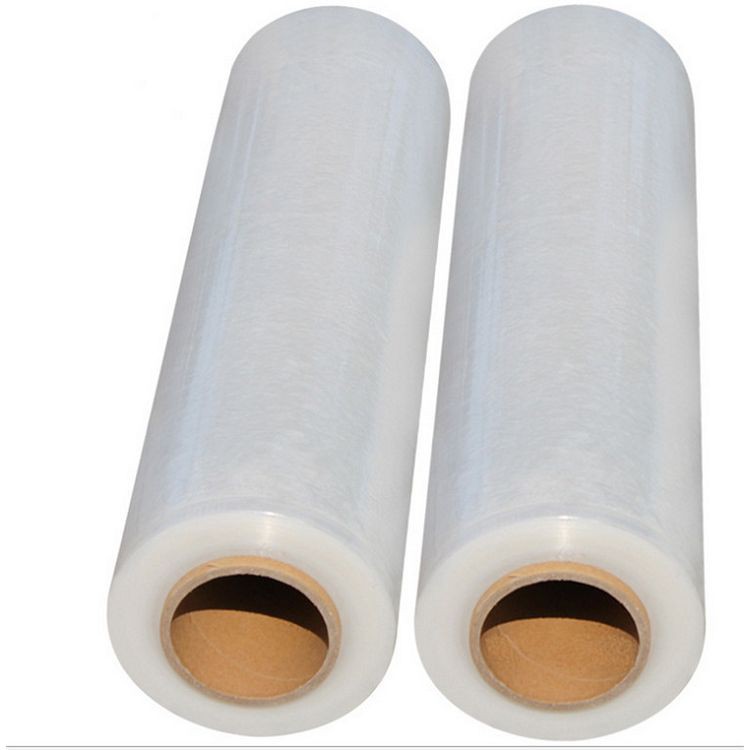
5. Look for Food - Grade Quality
Since the PE meat film will be in direct contact with your meat, it's essential that it meets food - grade standards. Food - grade PE meat films are made from materials that are safe for food contact and won't contaminate the meat. They're also often tested for things like migration of chemicals, so you can be sure that your meat is safe for consumption.
6. Consider the Appearance
The appearance of the PE meat film can also matter, especially if you're selling meat to customers. A clear film allows customers to see the meat inside, which can be appealing. It also gives the impression of freshness and quality.
Some films are also available with anti - fog properties. This is great because it prevents the film from fogging up, which can make the meat look less appealing. Anti - fog films keep the meat looking clear and fresh, even in refrigerated or freezer conditions.
7. Check the Compatibility with Equipment
If you're using automated packaging equipment, you need to make sure that the PE meat film is compatible with it. Different machines have different requirements in terms of film width, thickness, and sealing properties. Using an incompatible film can lead to problems with the packaging process, such as jams or poor seals.
8. Think About Sustainability
In today's world, sustainability is becoming more and more important. Many consumers are looking for products that are environmentally friendly. Some PE meat films are made from recycled materials or are biodegradable. If sustainability is a concern for you or your customers, look for these types of films.
Related Products
If you're also interested in other types of PE plastic wraps, we have some great options. Check out our PE Kitchen Wrap, which is perfect for everyday kitchen use. Our PE Foodservice Film is designed for commercial food service applications. And if you need a more general - purpose food wrap, our PE Food Wraps are a great choice.
Conclusion
Choosing the right PE meat film for your meat isn't always easy, but by considering factors like the type of meat, storage conditions, thickness, sealing properties, food - grade quality, appearance, equipment compatibility, and sustainability, you can make an informed decision. As a PE meat film supplier, I'm here to help you find the perfect film for your needs. Whether you're a small butcher shop, a large meat distributor, or just someone who loves to cook at home, we have a wide range of options to choose from.
If you're interested in learning more about our PE meat films or have any questions about which film is right for you, don't hesitate to reach out. We're happy to have a chat and discuss your specific requirements. Let's work together to keep your meat fresh and looking great!
References
- "Packaging for Fresh Meat" - A research paper on the latest trends in meat packaging.
- "The Science of Food Packaging" - A book that covers the principles behind choosing the right packaging materials for food.