

How to dispose of PE plastic wrap?
Jul 18, 2025
As a supplier of PE plastic wrap, I've witnessed firsthand the widespread use of this versatile product in various industries, from food packaging to household applications. However, with the increasing concern about environmental sustainability, the proper disposal of PE plastic wrap has become a pressing issue. In this blog post, I'll share some insights on how to dispose of PE plastic wrap responsibly, along with some tips on reducing its environmental impact.
Understanding PE Plastic Wrap
PE, or polyethylene, is a type of plastic commonly used in the production of plastic wrap. It's known for its flexibility, transparency, and moisture resistance, making it an ideal choice for wrapping food, protecting surfaces, and other applications. There are two main types of PE plastic wrap: low-density polyethylene (LDPE) and high-density polyethylene (HDPE). LDPE is more flexible and stretchy, while HDPE is stronger and more rigid.
Most PE plastic wrap is not biodegradable, which means it can take hundreds of years to break down in the environment. When disposed of improperly, it can end up in landfills, oceans, and other natural habitats, causing harm to wildlife and ecosystems. Therefore, it's important to find ways to reduce, reuse, and recycle PE plastic wrap to minimize its environmental impact.
Reducing the Use of PE Plastic Wrap
The first step in responsible disposal is to reduce the amount of PE plastic wrap you use in the first place. Here are some tips to help you do that:
- Choose reusable alternatives: Instead of using plastic wrap to cover food, consider using reusable containers, beeswax wraps, or silicone lids. These alternatives are not only more environmentally friendly but also more durable and cost-effective in the long run.
- Buy in bulk: When purchasing food or other products, try to buy in bulk and use your own reusable containers. This can help reduce the amount of packaging waste, including PE plastic wrap.
- Use less wrap: When using PE plastic wrap, try to use less of it. For example, you can cut smaller pieces or use it more sparingly to cover food.
Reusing PE Plastic Wrap
If you do need to use PE plastic wrap, try to reuse it as many times as possible before disposing of it. Here are some ways to reuse PE plastic wrap:
- Wash and reuse: If the plastic wrap is still clean and in good condition, you can wash it with soap and water and reuse it. This can be especially useful for wrapping food that doesn't have a lot of moisture or grease.
- Repurpose it: You can also repurpose PE plastic wrap for other uses. For example, you can use it to cover plants, protect surfaces, or wrap gifts.
- Share it: If you have extra PE plastic wrap that you don't need, consider sharing it with friends, family, or neighbors. This can help reduce waste and extend the life of the plastic wrap.
Recycling PE Plastic Wrap
Recycling is one of the most effective ways to reduce the environmental impact of PE plastic wrap. However, not all recycling facilities accept plastic wrap, so it's important to check with your local recycling program to see if they do. Here are some general guidelines for recycling PE plastic wrap:
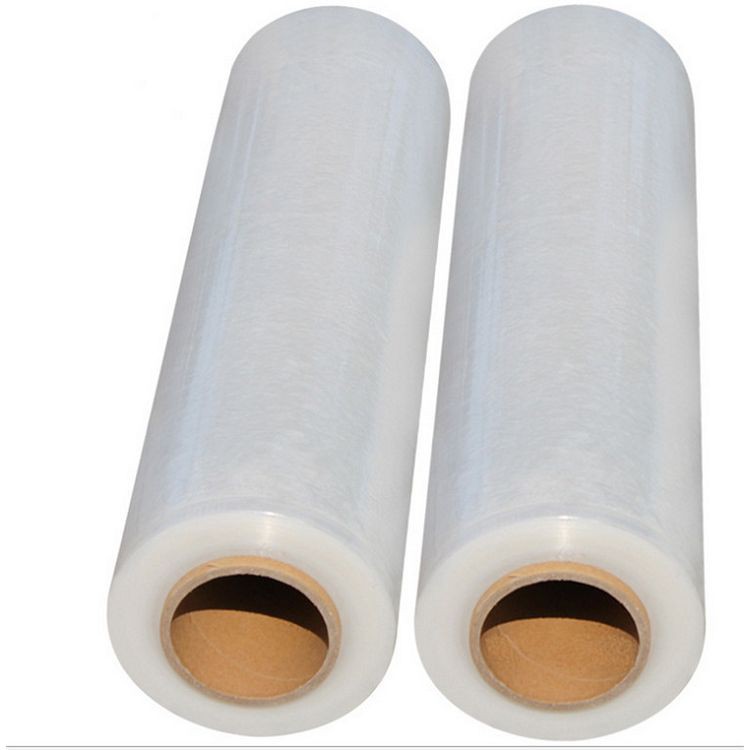

- Clean and dry the wrap: Before recycling, make sure the plastic wrap is clean and dry. Remove any food or other debris from the wrap and let it dry completely.
- Ball it up: To make it easier to recycle, ball up the plastic wrap into a tight ball. This can help prevent it from getting tangled in the recycling equipment.
- Check the recycling symbol: Look for the recycling symbol on the plastic wrap to see if it's recyclable. Most PE plastic wrap is labeled with a #4 recycling symbol, which indicates that it's made of LDPE.
- Take it to a recycling drop-off location: If your local recycling program accepts plastic wrap, you can take it to a recycling drop-off location. Some grocery stores and other retailers also have recycling bins for plastic wrap.
Composting PE Biodegradable Film
In recent years, there has been an increasing interest in biodegradable alternatives to traditional PE plastic wrap. PE biodegradable film is a type of plastic wrap that is designed to break down more quickly in the environment. While it's not completely biodegradable, it can still be a more sustainable option than traditional plastic wrap.
If you're using PE biodegradable film, you can compost it in a home composting system or a commercial composting facility. However, it's important to note that not all biodegradable plastics are created equal, and some may require specific conditions to break down properly. Before composting, make sure to check the product label for instructions on how to compost the film.
Disposing of Non-Recyclable PE Plastic Wrap
If you can't recycle or compost your PE plastic wrap, the next best option is to dispose of it properly in the trash. However, it's important to do this in a way that minimizes its environmental impact. Here are some tips for disposing of non-recyclable PE plastic wrap:
- Reduce the volume: To reduce the amount of space the plastic wrap takes up in the landfill, try to compress it or ball it up before throwing it away.
- Separate it from other waste: If possible, separate the plastic wrap from other waste to make it easier to identify and recycle in the future.
- Choose a responsible waste management company: When disposing of your trash, choose a waste management company that follows environmentally friendly practices. Look for a company that recycles as much of the waste as possible and uses sustainable methods to dispose of the rest.
Conclusion
As a supplier of PE plastic wrap, I'm committed to promoting responsible disposal practices and reducing the environmental impact of our products. By following the tips outlined in this blog post, you can help reduce the amount of PE plastic wrap that ends up in landfills and oceans and contribute to a more sustainable future.
If you're interested in learning more about our PE Kitchen Wrap, PE Biodegradable Film, or PE Food Wraps, please don't hesitate to contact us. We'd be happy to discuss your needs and provide you with more information about our products and services.
References
- American Chemistry Council. (n.d.). Plastic Recycling: How It Works. Retrieved from https://www.americanchemistry.com/plastic-recycling-how-it-works
- Environmental Protection Agency. (2021). Recycling Basics. Retrieved from https://www.epa.gov/recycle/recycling-basics
- National Geographic. (2018). How to Reduce Your Plastic Waste. Retrieved from https://www.nationalgeographic.com/environment/2018/07/how-to-reduce-plastic-waste-tips/