

How to measure the length of PVC kitchen wrap needed?
Jul 11, 2025
How to Measure the Length of PVC Kitchen Wrap Needed?
As a dedicated supplier of PVC kitchen wrap, I've encountered numerous inquiries from customers regarding the appropriate length of PVC kitchen wrap for various uses. In this blog, I'll share some practical methods and considerations to help you accurately measure the length of PVC kitchen wrap you need.
Understanding the Types of PVC Kitchen Wrap
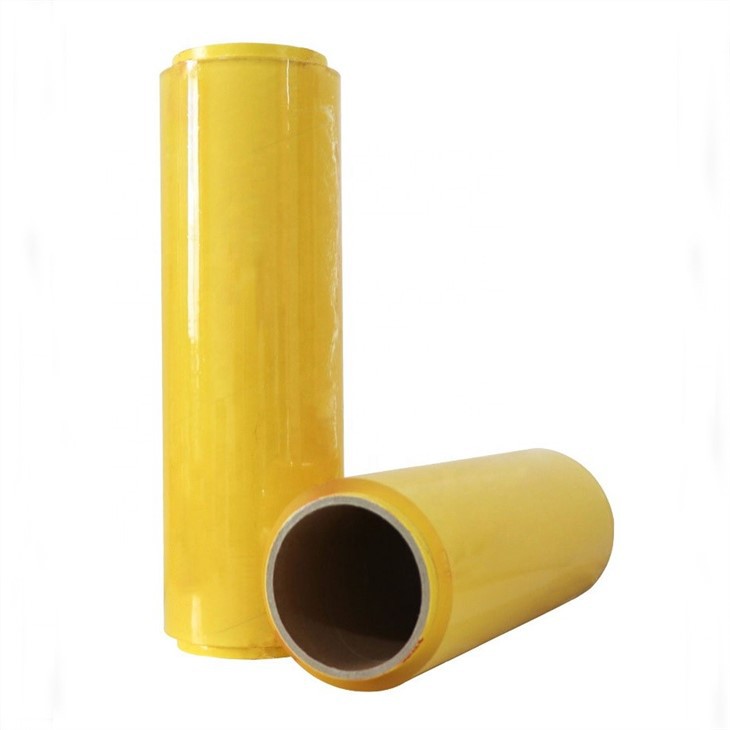
Before delving into the measurement methods, it's essential to understand the different types of PVC kitchen wrap available. We offer a wide range of products, including Polyvinyl Chloride Cling Film, PVC Vegetable Film, and PVC Cheese Film. Each type is designed to meet specific needs, such as wrapping food items, protecting vegetables, or preserving cheese.
Measuring for Regular Food Containers
For regular food containers, such as rectangular or square plastic containers, the measurement process is relatively straightforward. First, measure the length and width of the container's opening. Add these two measurements together and then multiply the sum by two. This calculation gives you the perimeter of the container's opening.

For example, if the length of the container's opening is 8 inches and the width is 6 inches, the perimeter would be (8 + 6) x 2 = 28 inches. You'll need a length of PVC kitchen wrap that is slightly longer than the perimeter to ensure a proper seal. Adding a few extra inches, say 2 - 3 inches, is advisable to allow for easy wrapping and tucking under the container. So, in this case, you'd need approximately 30 - 31 inches of PVC kitchen wrap.
Measuring for Round Containers
When dealing with round containers, you'll need to measure the circumference of the container's opening. To do this, use a flexible measuring tape to wrap around the outer edge of the opening. If you don't have a flexible measuring tape, you can use a piece of string to wrap around the opening and then measure the length of the string with a ruler.
Once you have the circumference measurement, add a few extra inches, similar to the process for rectangular containers. For instance, if the circumference of a round container is 20 inches, adding 2 - 3 inches would mean you need about 22 - 23 inches of PVC kitchen wrap.
Measuring for Irregularly Shaped Items
Irregularly shaped items, such as large pieces of meat or oddly shaped fruits and vegetables, can be a bit more challenging to measure for. In these cases, it's best to estimate the amount of wrap needed based on the overall size of the item.
One approach is to lay the item on a flat surface and then place the PVC kitchen wrap next to it. Visualize how much wrap will be required to cover the item completely, allowing for some overlap at the edges. You can then cut the wrap to a length that seems appropriate. It might take a few tries to get the hang of it, but with practice, you'll become more accurate in your estimations.
Measuring for Bulk Wrapping
If you're wrapping multiple items together or need to cover a large surface area, such as a baking sheet filled with cookies, you'll need to measure the total area to be covered. For rectangular surfaces, measure the length and width and multiply them together to get the area.
For example, if a baking sheet has a length of 12 inches and a width of 10 inches, the area is 12 x 10 = 120 square inches. To determine the length of PVC kitchen wrap needed, you'll need to consider the width of the wrap you're using. If the width of the PVC kitchen wrap is 12 inches, you can divide the total area by the width of the wrap to get the required length. In this case, 120 square inches divided by 12 inches (width of the wrap) gives you 10 inches of length. Again, add a few extra inches for overlap and ease of use.
Considerations for Wrapping Thickness and Stretchability
It's important to note that the thickness and stretchability of the PVC kitchen wrap can also affect the amount you need. Thicker wraps may require less overlap as they provide better coverage, while thinner wraps might need more overlap to ensure a tight seal.
Additionally, some PVC kitchen wraps are more stretchable than others. If you're using a highly stretchable wrap, you may be able to use less length as you can stretch it to cover the item more effectively. However, be careful not to over - stretch the wrap, as this can cause it to tear or lose its clinginess.
Factors Affecting Measurement Accuracy
Several factors can influence the accuracy of your measurements. The type of food or item being wrapped, the shape and size of the container, and even the temperature can play a role. For example, if you're wrapping hot food, the PVC kitchen wrap may shrink slightly as it cools, so you might want to use a bit more wrap initially.
Also, the way you wrap the item can impact the amount of wrap used. A tight, neat wrap will require less wrap compared to a loose, sloppy wrap. Practice proper wrapping techniques to make the most of your PVC kitchen wrap.
Contact Us for Your PVC Kitchen Wrap Needs
At our company, we're committed to providing high - quality PVC kitchen wrap that meets your various needs. Whether you're a home cook looking for the perfect wrap for your daily meals or a commercial kitchen in need of bulk supplies, we've got you covered.
If you have any further questions about measuring the length of PVC kitchen wrap or need advice on choosing the right type of wrap for your specific application, please don't hesitate to contact us. Our team of experts is always ready to assist you in making the best choices for your wrapping requirements. Start a conversation with us today and discover the difference our PVC kitchen wrap can make in your kitchen.
References
- "Food Packaging: Principles and Practice" by Cheryl R. Daniels
- Various industry - specific research papers on food wrapping materials and techniques.