

Is kitchen foil waterproof?
May 15, 2025
Is kitchen foil waterproof? This is a question that often pops up in the minds of many consumers, and as a dedicated kitchen foil supplier, I'm excited to dive deep into this topic. In this blog, we'll explore the waterproof properties of kitchen foil, its applications, and how it stands up to various scenarios.
Understanding Kitchen Foil
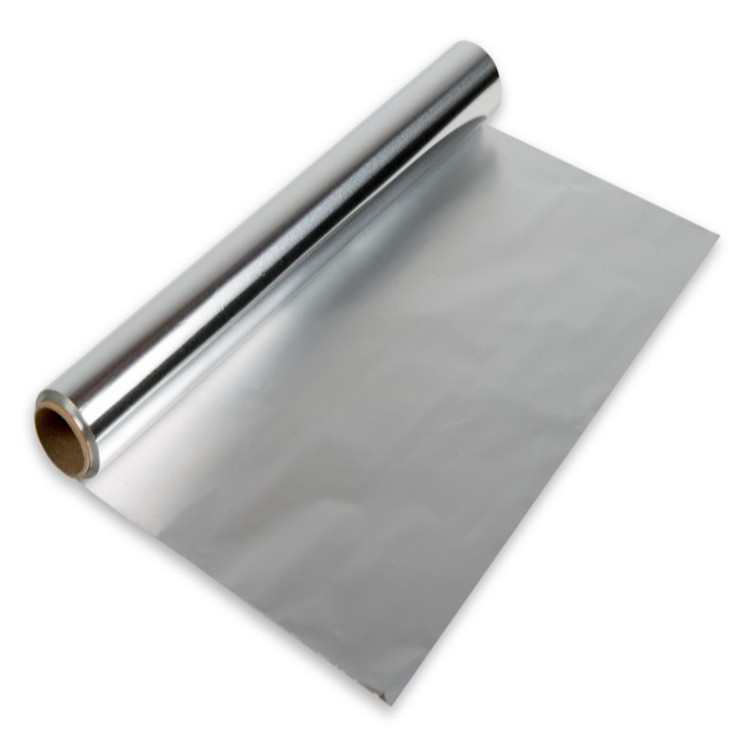
Kitchen foil, also known as aluminum foil, is a thin sheet of aluminum metal. It's a versatile product that has found its way into countless kitchens around the world. Its primary functions include wrapping food, lining baking sheets, and even assisting in various cooking techniques. But what about its waterproof capabilities?
Aluminum foil is made from pure aluminum or an aluminum alloy. The manufacturing process involves rolling the aluminum into thin sheets, which can range in thickness from as thin as 0.006 mm to thicker, more durable options. The thickness plays a significant role in determining the foil's strength and its ability to resist water.
The Waterproof Nature of Kitchen Foil
In general, kitchen foil is waterproof. Aluminum itself is a non - porous material, which means that water molecules cannot pass through it easily. When you use kitchen foil to wrap a piece of food, it forms a barrier that prevents water from seeping in or out. This is particularly useful when you're trying to keep food moist during cooking or storage.
For example, if you're roasting a chicken and you want to prevent the juices from evaporating, wrapping the chicken in kitchen foil can help. The foil traps the steam and moisture inside, resulting in a more tender and juicy chicken. Similarly, when you're storing leftovers in the fridge, wrapping them in foil can prevent the food from drying out due to exposure to the cold air.
However, it's important to note that while kitchen foil is waterproof, it's not entirely indestructible. If the foil is torn or has holes in it, water can easily penetrate through these openings. So, when using kitchen foil to keep something dry or to prevent water from getting in, it's crucial to ensure that the foil is intact.

Applications of Waterproof Kitchen Foil
Cooking
Kitchen foil's waterproof property makes it an excellent tool in the kitchen. As mentioned earlier, it can be used to wrap food during roasting, baking, or grilling to retain moisture. You can also use it to create a makeshift steamer. Simply place your food in a foil packet, add a little water, and seal it tightly. As the water heats up, it turns into steam, which cooks the food gently.

Another interesting application is using Aluminum Foil Air Fryer. When you line the air fryer basket with foil, it can prevent food from sticking to the basket and also help in containing any grease or juices that may drip during the cooking process. The waterproof nature of the foil ensures that these liquids don't make a mess inside the air fryer.
Storage
In terms of storage, kitchen foil is a great way to keep food fresh. Whether you're storing leftovers in the fridge or packing a picnic, wrapping your food in foil can protect it from moisture and air. This helps to extend the shelf life of the food and maintain its quality.
DIY Projects
Kitchen foil can also be used in various DIY projects where waterproofing is required. For instance, you can use it to line the bottom of a planter to prevent water from leaking out. Or, if you're creating a temporary waterproof cover for an outdoor item, kitchen foil can be a quick and easy solution.
Factors Affecting the Waterproofness of Kitchen Foil
Thickness
As mentioned earlier, the thickness of the kitchen foil is a crucial factor. Thicker foils, such as Heavy Duty Aluminum Foil, are generally more resistant to tearing and puncturing. This means that they are less likely to develop holes through which water can seep. A heavy - duty foil can withstand more handling and is better suited for applications where it may come into contact with sharp objects or rough surfaces.
Quality of the Foil
The quality of the aluminum used in the foil also affects its waterproofness. High - quality foils are made from pure aluminum or well - formulated alloys, which provide a more consistent and reliable barrier against water. Cheaper foils may have impurities or inconsistencies in their structure, which can make them more prone to tearing and water penetration.
Handling and Usage
How you handle and use the kitchen foil can also impact its waterproof capabilities. Rough handling, such as crumpling the foil too vigorously or using it with sharp utensils, can cause tears and holes. It's important to handle the foil gently and use it appropriately to maintain its integrity.
Comparing Kitchen Foil with Other Waterproof Materials
When it comes to waterproof materials, kitchen foil has its own set of advantages and disadvantages compared to other options.
Plastic Wrap
Plastic wrap is another common material used for food storage and wrapping. While it is also waterproof, it has a different feel and texture compared to kitchen foil. Plastic wrap is more flexible and can conform to the shape of the food more easily. However, it may not be as heat - resistant as kitchen foil, which means it cannot be used in the oven or on the grill. Kitchen foil, on the other hand, can withstand high temperatures, making it more versatile in cooking applications.
Wax Paper
Wax paper is often used for wrapping sandwiches and other cold foods. It has some degree of water - resistance, but it is not as waterproof as kitchen foil. Wax paper can absorb some moisture, and it may not provide a tight seal to keep food completely dry. Kitchen foil, with its non - porous surface, offers a more reliable waterproof barrier.
Special Types of Kitchen Foil
There are also special types of kitchen foil available in the market, such as Non Stick Aluminum Foil. This type of foil has a non - stick coating on one side, which makes it even more convenient to use. The non - stick property doesn't affect its waterproofness; in fact, it can still provide an effective barrier against water. It's great for cooking sticky foods like roasted vegetables or grilled fish, as the food won't stick to the foil, and you can easily peel it off without leaving any residue.
Conclusion
In conclusion, kitchen foil is indeed waterproof. Its non - porous aluminum structure makes it an effective barrier against water, which is why it's so widely used in the kitchen for cooking, storage, and various other applications. However, its waterproofness can be affected by factors such as thickness, quality, and how it's handled.

As a kitchen foil supplier, I'm committed to providing high - quality products that meet the diverse needs of our customers. Whether you're looking for standard kitchen foil, heavy - duty foil, or non - stick foil, we have a range of options to choose from.
If you're interested in purchasing our kitchen foil products, we'd love to have a conversation with you. Feel free to reach out to us to discuss your requirements and explore how our kitchen foil can enhance your cooking and storage experiences.
References
- "Aluminum Foil: Properties and Applications" - Journal of Materials Science
- "Cooking with Aluminum Foil: A Guide" - Culinary Arts Magazine
- "The Science of Food Packaging" - Food Science Review