

Is there a difference between heavy - duty and regular kitchen foil?
Sep 17, 2025
When it comes to kitchen essentials, few items are as versatile as kitchen foil. It's a staple in households and commercial kitchens alike, used for everything from covering leftovers to lining baking sheets. But not all kitchen foils are created equal. There's a distinct difference between heavy - duty and regular kitchen foil, and understanding these differences can help you make the right choice for your specific needs. As a kitchen foil supplier, I've seen firsthand how these two types of foil perform in various applications, and I'm excited to share my insights with you.
Composition and Thickness
The most fundamental difference between heavy - duty and regular kitchen foil lies in their composition and thickness. Regular kitchen foil is typically thinner, usually ranging from about 0.0004 to 0.0007 inches in thickness. This thinner gauge makes it more flexible and easier to work with for everyday tasks. It's ideal for light - duty applications such as covering a plate of leftovers in the fridge or wrapping a sandwich for lunch.
On the other hand, heavy - duty kitchen foil is thicker, with a typical thickness ranging from 0.0009 to 0.0013 inches. The increased thickness gives it greater strength and durability. It's made by using more aluminum during the manufacturing process, which results in a sturdier product. This extra strength makes heavy - duty foil better suited for more demanding tasks.
Strength and Durability
One of the most noticeable differences between the two types of foil is their strength. Regular foil can tear easily, especially when handling larger items or when subjected to sharp edges. For example, if you're trying to wrap a large roast with regular foil, you might find that it tears in the process, leaving gaps that can let heat and moisture escape.
Heavy - duty foil, however, is much more resistant to tearing. It can withstand the rigors of wrapping large, irregularly shaped items like whole turkeys or large cuts of meat. When you're using heavy - duty foil for grilling or roasting, you can be confident that it won't break apart under the weight or pressure of the food. This durability also means that heavy - duty foil can be reused more often than regular foil in some cases, making it a more cost - effective option in the long run.
Heat Resistance
Both regular and heavy - duty kitchen foils have good heat resistance, but heavy - duty foil has an edge in this area. The thicker construction of heavy - duty foil allows it to handle higher temperatures without melting or warping as easily as regular foil.
In high - heat cooking methods such as Barbecue Aluminum Foil, where the direct heat from the grill can reach very high levels, heavy - duty foil is the better choice. It can protect the food from direct flames and prevent it from burning while still allowing for even cooking. Regular foil, on the other hand, may start to break down or develop holes when exposed to extreme heat for an extended period.
Cost
Cost is always a consideration when choosing between products. Regular kitchen foil is generally less expensive than heavy - duty foil. This is because it uses less aluminum in its production and is designed for more basic, everyday uses. If you only need foil for simple tasks like covering a plate of leftovers or wrapping a small snack, regular foil is a budget - friendly option.
However, if you frequently engage in activities that require a more durable foil, such as baking large items, grilling, or roasting meats, the extra cost of heavy - duty foil may be worth it. The reduced likelihood of tearing and the ability to handle high - heat cooking can save you time and money in the long run by preventing food from being wasted due to foil failures.
Applications
The choice between heavy - duty and regular kitchen foil often depends on the specific application. Here are some common uses for each type:
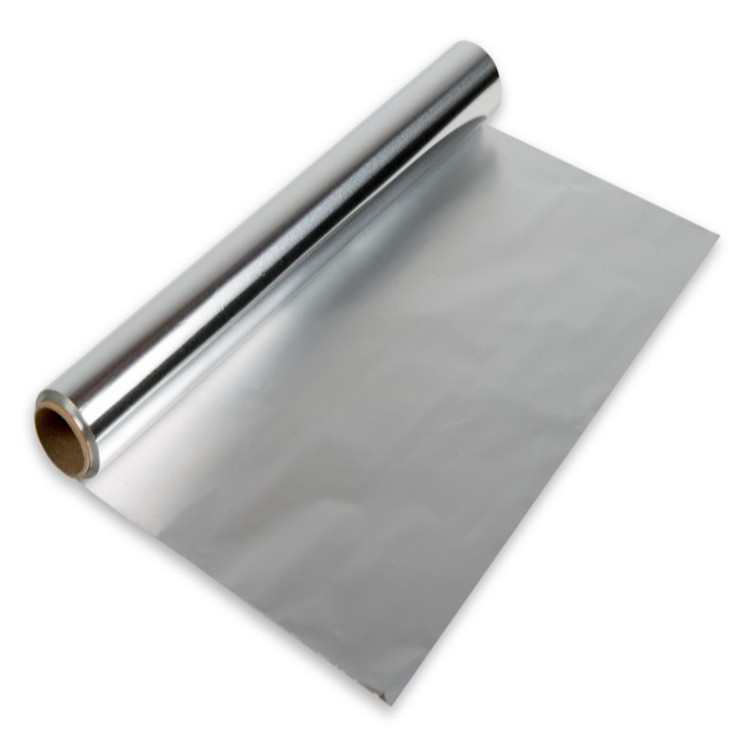

Regular Foil
- Leftovers: As mentioned earlier, regular foil is perfect for covering plates of leftovers. It's easy to mold around the edges of the plate and can keep food fresh in the fridge.
- Sandwiches and Snacks: Wrapping sandwiches or small snacks in regular foil is a convenient way to keep them fresh and portable.
- Baking: For small - scale baking tasks like lining a muffin tin or covering a small casserole dish, regular foil works well.
Heavy - Duty Foil
- Roasting and Baking: When roasting large cuts of meat, whole chickens, or large casseroles, heavy - duty foil is essential. It can hold up under the weight of the food and the high temperatures of the oven.
- Grilling and Barbecuing: Heavy - duty foil is great for grilling. You can use it to create foil packets for vegetables or fish, or to line the grill grates to prevent food from sticking. Check out Aluminum Foil Air Fryer for more information on using foil in different cooking methods.
- Outdoor Cooking: For camping or outdoor picnics, heavy - duty foil is a must - have. It can be used to cook food over an open fire or to keep food warm.
Environmental Considerations
In today's world, environmental concerns are important. Both regular and heavy - duty foils are made from aluminum, which is a recyclable material. However, the durability of heavy - duty foil means that it can potentially be reused more times than regular foil. Reusing foil reduces waste and the need for constant production of new foil.
When it comes to recycling, both types of foil can be recycled at most recycling facilities. However, it's important to make sure the foil is clean before recycling it. If it's covered in grease or food residue, it may need to be washed first to ensure proper recycling.
Making the Right Choice
So, how do you decide whether to use regular or heavy - duty kitchen foil? Consider the following factors:
- Task at Hand: If it's a simple, light - duty task like covering leftovers, regular foil is sufficient. But for more demanding tasks such as roasting large items or grilling, heavy - duty foil is the better option.
- Frequency of Use: If you cook frequently and engage in high - heat cooking methods often, investing in heavy - duty foil is a good idea. For occasional users, regular foil may be all you need.
- Budget: If cost is a major concern and you only need foil for basic tasks, regular foil is the more economical choice.
As a kitchen foil supplier, I understand that every customer has different needs. Whether you're a home cook looking for the right foil for your family meals or a professional chef in a busy restaurant kitchen, I can help you find the perfect kitchen foil for your requirements.
If you're interested in learning more about our range of kitchen foils or would like to discuss your specific needs, please feel free to reach out. We're here to provide you with high - quality products and excellent customer service. Whether you need regular or heavy - duty kitchen foil, we have the solutions to meet your cooking needs. Contact us today to start a conversation about your kitchen foil requirements and let's find the best product for you.
References
- "Aluminum Foil: Properties and Applications." Journal of Kitchenware Science.
- "Comparative Study of Regular and Heavy - Duty Kitchen Foils." International Journal of Food Packaging.
- "The Science of Aluminum Foil in Cooking." Food Technology Magazine.