

What is the difference between PVC kitchen wrap and aluminum foil?
Oct 14, 2025
Hey there! As a PVC kitchen wrap supplier, I often get asked about the differences between PVC kitchen wrap and aluminum foil. So, I thought I'd write this blog to break it down for you.
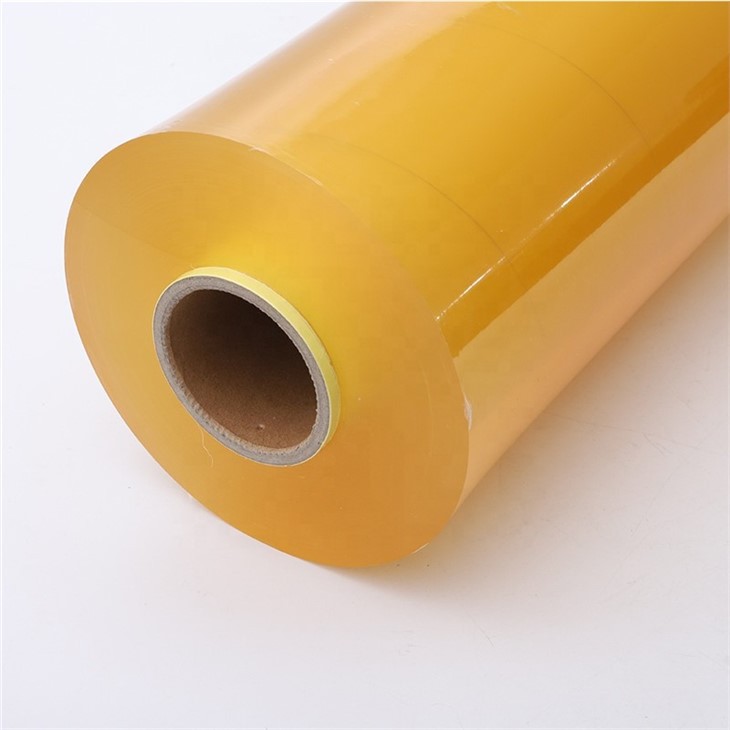
Let's start with the basics. PVC kitchen wrap, also known as PVC Plastic Wrap, is a thin, transparent plastic film that's commonly used in the kitchen. It's made from polyvinyl chloride, which gives it its flexibility and clingy nature. You can easily wrap it around food items, bowls, and containers to keep them fresh. On the other hand, aluminum foil is a thin sheet of aluminum metal. It's shiny, malleable, and has a different set of properties compared to PVC kitchen wrap.
Appearance and Transparency
One of the most obvious differences is in their appearance. PVC kitchen wrap, like Transparent PVC Cling Film, is see - through. This is super handy because you can quickly identify what's inside the wrapped container without having to unwrap it. You can see if your leftovers are still good or if you're grabbing the right food from the fridge. Aluminum foil, however, is opaque. You can't see through it, so you might have to label your wrapped items if you don't want to keep unwrapping to check.
Flexibility and Cling
PVC kitchen wrap is extremely flexible. It can conform to the shape of almost any object, whether it's a round bowl, a irregularly - shaped piece of cheese, or a sandwich. It has a natural cling to it, which means it sticks to itself and to the surface it's wrapped around. This makes it easy to seal in the freshness of your food. Aluminum foil is also flexible, but it doesn't have the same cling. You have to fold and tuck it around the food to get a good seal. Sometimes, it can be a bit tricky to get a tight seal, especially with small or oddly - shaped items.
Heat Resistance
When it comes to heat resistance, there's a big difference between the two. PVC kitchen wrap is not designed for high - heat applications. If you expose it to direct heat, like in an oven or on a stovetop, it will melt and can even release harmful chemicals. It's best used for keeping food fresh in the fridge or at room temperature. Aluminum foil, on the other hand, is heat - resistant. You can use it in the oven, on the grill, or even in the microwave (although you need to be careful with the settings). It can withstand high temperatures and is great for cooking, baking, and roasting food.
Moisture and Air Barrier
Both PVC kitchen wrap and aluminum foil can act as a barrier to keep moisture and air out, but they do it in different ways. PVC kitchen wrap creates a tight seal that helps prevent moisture from evaporating and air from getting in. This is great for keeping your food moist and fresh for longer periods. Aluminum foil also does a good job of blocking air and moisture, but it's more porous than PVC kitchen wrap. Some air and moisture can still seep through the tiny pores in the foil, especially if it's not wrapped tightly enough.

Cost
Cost is another factor to consider. Generally, PVC kitchen wrap is more affordable than aluminum foil. You can get a large roll of PVC kitchen wrap for a relatively low price, which makes it a great option for everyday use. Aluminum foil is a bit more expensive, especially if you're using high - quality, heavy - duty foil. However, if you need to use it for cooking or high - heat applications, the extra cost might be worth it.
Environmental Impact
The environmental impact of these two products is also different. PVC kitchen wrap is made from plastic, which is not biodegradable. It can take hundreds of years to break down in landfills, and it can also release harmful chemicals into the environment as it degrades. Aluminum foil, on the other hand, is recyclable. You can recycle used aluminum foil, which helps reduce waste and conserve resources. However, the production of aluminum foil requires a significant amount of energy.
Usage Scenarios
Let's talk about when to use each product. PVC kitchen wrap is perfect for everyday use in the kitchen. You can use it to wrap sandwiches for lunch, cover leftovers in the fridge, or protect a bowl of fruit from insects. It's also great for wrapping food items that you want to keep at room temperature, like a plate of cookies. Aluminum foil is ideal for cooking and baking. You can use it to line baking sheets, wrap potatoes for roasting, or cover a casserole dish in the oven. It's also useful for grilling, as you can wrap your food in foil to prevent it from sticking to the grill and to add flavor.
Safety
In terms of safety, both products are generally safe to use as long as you follow the proper guidelines. PVC kitchen wrap is safe for food contact, but as I mentioned earlier, it should not be exposed to high heat. Aluminum foil is safe for cooking and food contact, but some studies have raised concerns about the potential leaching of aluminum into food, especially when cooking acidic foods. However, the amount of aluminum that leaches into food is usually very small and within the safety limits set by regulatory agencies.
So, which one should you choose? Well, it depends on your needs. If you're looking for an affordable, flexible, and transparent option for everyday food storage, PVC kitchen wrap is a great choice. If you need a heat - resistant product for cooking and baking, aluminum foil is the way to go.
As a PVC kitchen wrap supplier, I'm proud to offer high - quality PVC Plastic Film that meets all the safety and quality standards. Our PVC kitchen wrap is durable, easy to use, and will keep your food fresh for longer. If you're interested in purchasing our PVC kitchen wrap or have any questions about our products, feel free to reach out. We're always happy to help you find the right solution for your kitchen needs. Whether you're a home cook or a professional chef, we've got you covered. Let's start a conversation and see how our PVC kitchen wrap can make your life in the kitchen easier and more efficient.
References
- "Food Packaging Materials: A Review of Their Safety and Environmental Impact" - Journal of Food Science and Technology
- "Comparative Study of PVC and Aluminum Foil for Food Preservation" - International Journal of Food Preservation