

What is the environmental impact of PVC plastic wrap?
Oct 22, 2025
What is the environmental impact of PVC plastic wrap?
As a supplier of PVC plastic wrap, I've often been asked about the environmental implications of our products. PVC, or polyvinyl chloride, is a widely used plastic in various industries, including food packaging. While PVC plastic wrap offers several benefits in terms of functionality and cost - effectiveness, it also has significant environmental impacts that we need to understand and address.
Production Phase
The production of PVC plastic wrap starts with the extraction of raw materials. The primary components of PVC are chlorine and ethylene. Chlorine is typically produced through the electrolysis of salt, a process that consumes a large amount of energy. Ethylene, on the other hand, is derived from petroleum or natural gas, non - renewable resources. The extraction and processing of these raw materials contribute to greenhouse gas emissions and the depletion of finite resources.
During the manufacturing process of PVC, additives are often used to enhance its properties such as flexibility and durability. Some of these additives, like phthalates, are of environmental concern. Phthalates are known to leach out of PVC products over time. They can enter the environment through wastewater from manufacturing plants or when the plastic wrap is discarded. Once in the environment, phthalates can have adverse effects on wildlife, especially aquatic organisms. Studies have shown that phthalates can disrupt the endocrine systems of animals, affecting their reproduction, development, and behavior (Huang et al., 2019).
Use Phase
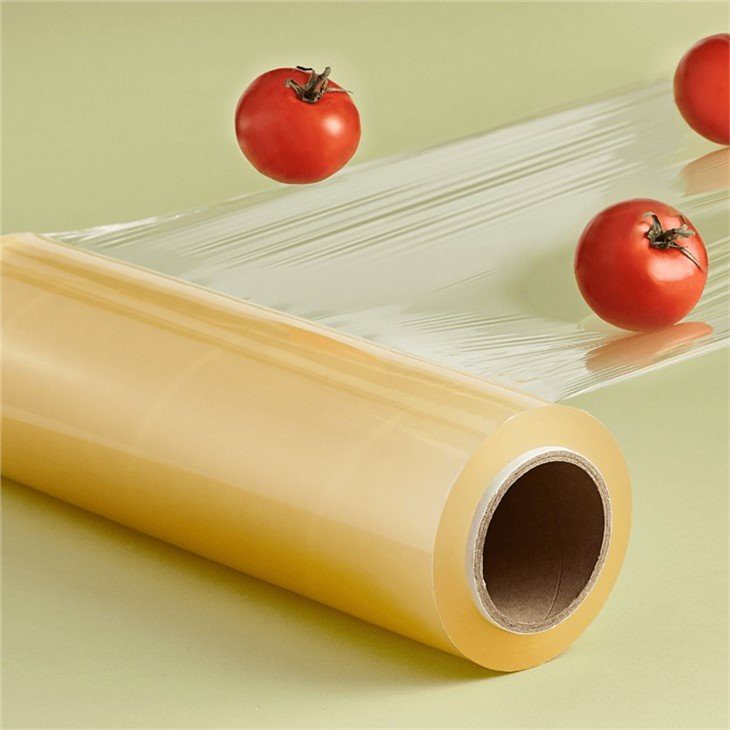
One of the major advantages of PVC plastic wrap is its excellent cling properties, which make it ideal for food packaging. It helps to keep food fresh by creating a tight seal that prevents air and moisture from entering. This can reduce food waste by extending the shelf - life of perishable items. However, the widespread use of PVC plastic wrap also leads to increased plastic waste generation.
Consumers often use PVC plastic wrap for single - use applications, such as covering leftovers or wrapping sandwiches. Once the food is consumed, the plastic wrap is usually thrown away. The convenience of PVC plastic wrap has contributed to a culture of disposable packaging, which is a growing environmental problem.
Moreover, there are concerns about the potential migration of chemicals from PVC plastic wrap into food. Although strict regulations are in place to ensure the safety of food contact materials, under certain conditions, such as when in contact with fatty or acidic foods, small amounts of additives like phthalates may migrate into the food. This not only poses a potential health risk to consumers but also has implications for the environment if the contaminated food waste is disposed of in landfills or incinerated.
Disposal Phase
When it comes to disposal, PVC plastic wrap presents several challenges. Landfilling is a common method of waste disposal, but PVC does not biodegrade easily. It can persist in landfills for hundreds of years, taking up valuable space and potentially releasing harmful chemicals into the soil and groundwater over time.
Incineration is another option for disposing of PVC plastic wrap. However, when PVC is burned, it releases toxic chemicals such as dioxins and furans. These are highly persistent organic pollutants that can accumulate in the environment and the food chain. Dioxins are known to cause cancer, birth defects, and other serious health problems in humans and animals.
Recycling PVC plastic wrap is also difficult. PVC has a complex chemical structure, and separating it from other plastics during the recycling process is challenging. Additionally, the presence of additives in PVC can contaminate the recycling stream, reducing the quality of recycled materials. As a result, the recycling rate of PVC plastic wrap is relatively low compared to other types of plastics.
Mitigation Strategies
As a supplier, we are aware of these environmental challenges and are taking steps to mitigate the impact of our PVC plastic wrap products. One approach is to invest in research and development to find more environmentally friendly additives. For example, some companies are exploring the use of bio - based additives that are less harmful to the environment.
We are also promoting the proper use and disposal of our products. We encourage consumers to reuse PVC plastic wrap whenever possible, such as by washing and drying it after use. We also support initiatives to improve recycling infrastructure for PVC plastic wrap. By working with recycling facilities, we hope to increase the recycling rate of our products and reduce the amount of PVC waste going to landfills or incinerators.
In addition, we offer a range of alternative products for customers who are more environmentally conscious. Our PVC Food Wraps are designed to meet the highest standards of food safety and functionality. We also have PVC Cheese Film and PVC Fruit Film that are tailored to specific food packaging needs. These products are produced with the latest technologies to minimize the environmental impact while still providing excellent performance.
Conclusion
The environmental impact of PVC plastic wrap is a complex issue that involves multiple stages of its life cycle, from production to disposal. While PVC plastic wrap offers certain benefits in terms of food preservation, its environmental drawbacks cannot be ignored. As a supplier, we are committed to addressing these issues through innovation, education, and collaboration.
We believe that by working together with our customers, recycling facilities, and other stakeholders, we can reduce the environmental footprint of PVC plastic wrap. If you are interested in learning more about our PVC plastic wrap products or have any questions about their environmental impact, please feel free to contact us for further discussion and potential procurement. We are always ready to provide you with the best solutions for your packaging needs.

References
Huang, R., et al. (2019). Endocrine - disrupting effects of phthalates on aquatic organisms: A review. Science of the Total Environment, 665, 1163 - 1173.