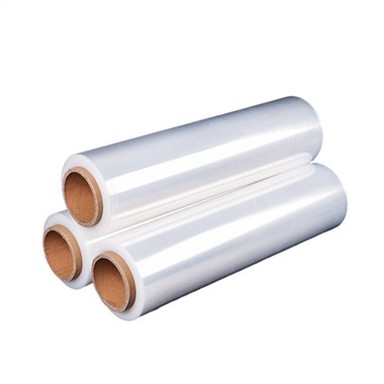
PE Film For Automated Production Lines: Selection Criteria For Anti-Static Properties And Feed Stability
Nov 19, 2026
As the food processing and ready-to-cook meal industries undergo large-scale upgrades, automated packaging lines have become the mainstream production model. The feed stability of PE film directly determines production line efficiency and finished product yield. When standard consumer-grade film is used with automated equipment, issues such as static adhesion, feed jamming, and frequent film breaks often occur, significantly slowing down production. Dongguan Juyou Paper And Plastic Products Co., Ltd. has developed specialized machine-grade PE film tailored to the needs of industrial production lines. Through anti-static formulations and high-precision manufacturing processes, the company ensures smooth film feeding. This article analyzes the key considerations for selecting machine-grade PE film from four perspectives: production line pain points, performance parameters, compatibility and debugging, and procurement standards.

Core Production Pain Points Caused by Static Electricity in Automated Production Lines
Static electricity is the most common cause of malfunctions in machine-grade PE film. During high-speed film feeding, continuous friction between the film material and guide rollers causes static buildup, leading to the film sheets sticking together. This results in film misalignment, feeding jams, and frequent activation of equipment shutdown protection mechanisms. Static electricity also attracts dust and lint from the air, contaminating the film surface and compromising the hygiene standards of food packaging; Uneven electrostatic tension can also lead to sealing misalignment and cutting deviations, thereby increasing the defect rate. For industrial production lines operating at high speeds and over long cycles, the downtime losses and material waste caused by electrostatic issues are substantial; therefore, anti-static performance is a core selection criterion for machine-grade PE film.
Key Performance Parameter Requirements for Machine-Grade PE Film
Qualified machine-grade PE film must meet three core parameter standards. First is antistatic performance: by adding food-grade antistatic agents to optimize surface resistivity and maintain it within a reasonable range, the film effectively dissipates static electricity generated by friction, preventing adhesion and sticking. Second is a stable coefficient of friction: the film's static and dynamic coefficients of friction must match the characteristics of the equipment's guide rollers, ensuring smooth film feed without slippage while avoiding excessive resistance that could cause stretching and deformation; Third, extremely tight thickness tolerances; uniform thickness ensures constant film tension, reducing film breaks and sealing defects. In addition, winding precision is crucial; large rolls with neat ends, no eccentricity, and uniform tension are suitable for long-term continuous production, reducing the frequency of downtime caused by roll changes. Dongguan Juyou employs closed-loop production control, with all parameters strictly aligned with industrial production line standards.


Key Points for Production Line Adaptation, Commissioning, and Daily Maintenance
Proper production line adaptation and daily maintenance can further enhance film feeding stability. During the equipment commissioning phase, the film feed tension must be adjusted according to the PE film's thickness and stretching characteristics; excessive tension can cause the film to break, while insufficient tension can lead to misalignment. Simultaneously, optimize the sealing temperature and cutting speed to match the film's heat-sealing and tear-resistance properties. During daily operations, keep the guide roller surfaces clean to prevent adhesive residue and debris from scratching the film surface. Control workshop temperature and humidity; excessively dry environments can exacerbate static electricity buildup, so using a humidifier can help dissipate static charges. Regularly check the coaxiality of the film roll installation to prevent film vibration caused by misalignment.
Product Selection and Factory Support for Industrial Customers
When purchasing machine-grade PE film, industrial customers should prioritize source manufacturers with industrial-grade supply capabilities. Before selecting a product, provide the equipment model and production line parameters so the manufacturer can recommend products with corresponding formulations and specifications; it is best to conduct on-machine testing to verify film feeding performance first. Additionally, confirm that the manufacturer can customize web width, roll diameter, and core size to precisely match the equipment's clamping specifications. Dongguan Juyou Paper and Plastic Products supports full customization of machine-grade PE film parameters. We can optimize anti-static formulations and thickness precision based on the characteristics of the customer's production line, provide on-site adaptation guidance, and ensure stable bulk supply, helping food processing enterprises improve the operational efficiency of their automated production lines.

In summary, antistatic performance and film feeding stability are the core criteria for selecting PE film for automated production lines. Well-adapted machine-grade film can significantly reduce downtime losses and improve production efficiency. Partnering with a source manufacturer capable of industrial customization is key to ensuring the long-term stable operation of production lines. Dongguan Juyou Paper And Plastic Products Co., Ltd. will continue to optimize the performance of industrial-grade PE film to provide reliable automated packaging consumable solutions for food processing and prepared meal companies.