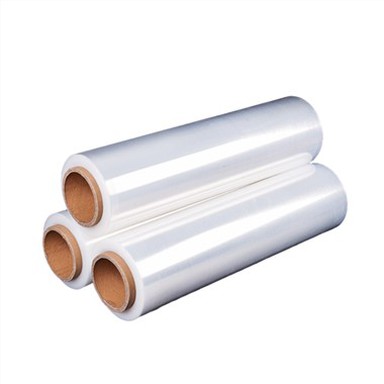
The Guide To PVC Food Packaging Film: Why It’s The Top Choice For Modern Food Businesses
Mar 20, 2025
Hey there! If you're here, chances are you're a food business owner, manufacturer, or distributor looking for the perfect packaging solution. Let's talk about PVC Food Packaging Film-the unsung hero of the food industry. In this guide, I'll break down everything you need to know about PVC film, why it's a game-changer, and how to choose the right supplier. Plus, I'll share some pro tips to make your food packaging stand out. Let's dive in!
What exactly is PVC Food Packaging Film?
First things first: PVC stands for Polyvinyl Chloride. It's a versatile plastic material used in everything from pipes to medical devices. But when it comes to food packaging, PVC film is the star player. Why? Because they are flexible, durable, and cost-effective.
Imagine wrapping a sandwich or a tray of fresh berries. PVC film clings tightly, keeping air and moisture out while letting you see the product inside. It's also heat-sealable, making it perfect for vacuum packaging, which extends its shelf life. And here's a bonus: it's FDA-approved for direct food contact, so you know it's safe.
Why PVC Food Packaging Film Beats the Competition
Let's compare PVC to other popular options like PE (Polyethylene) or PP (Polypropylene).
1. Clarity & Aesthetics
PVC film is crystal-clear, making your food look fresh and appetizing. Unlike frosted PE wraps, PVC shows off your product's colors and textures.
2. Strength & Stretch
Ever tried tearing PVC wrap? Good luck! It's stronger and more puncture-resistant than PE, so it won't split or leak easily.
3. Temperature Resistance
Whether you're freezing meals or wrapping hot takeout, PVC handles extreme temps like a champ. It won't break in the freezer or melt in heat.
4. Cost-Effectiveness
PVC is cheaper than many alternatives, especially for bulk orders. As a manufacturer, I'll let you in on a secret: it's the go-to choice for businesses looking to save without sacrificing quality.
Real-World Uses of PVC Food Packaging Film
PVC isn't just for sandwiches. Here are some surprising applications:
-Meat & Seafood: Vacuum-sealed with PVC to prevent freezer burns.
-Baked Goods: Soft, breathable wraps for bread and pastries.
- Produce: Pre-cut fruit trays with a clear, protective layer.
-Deli Items: Cheese, cold cuts, and salads stay fresh for days.
-Ready Meals: Microwave-safe containers sealed with PVC film.
Fun fact: Even restaurants use PVC film for portion control!
Choosing the Right PVC Film for Your Business
Not all PVC films are created equal. Here's what to look for:
1. Thickness
Thicker films (50-70 microns) are great for heavy items like meat, while thinner options (20-30 microns) work for light snacks.
2. Gloss vs. Matte Finish
Glossy film adds shine and visual appeal, while matte gives it a modern, premium look.
3. Customization
Print your logo, nutrition facts, or eco-friendly labels directly on the film. Brands love this for branding!
4. Sustainability
Wait, isPVC bad for the environment? Let's address that.
Is PVC Eco-Friendly?
Ah, the big question. PVC has a reputation for being "un-green," but here's the truth:
-Recyclability: PVC can be recycled, but it's trickier than PE or PP. Look for suppliers who offer post-consumer recycled (PCR) content or biodegradable blends.
- Carbon Footprint: PVC production uses less energy than alternatives like glass or metal.
-Durability: Since PVC lasts longer, it reduces food waste-arguably the biggest environmental win.
At our factory, we're innovating with oxo-biodegradable PVC films that break down faster in landfills. Ask your supplier about green options!
How PVC Film is Made: From Resin to Roll
Curious about the process? Here's a quick rundown:
1. Resin Mixing: PVC resin pellets are blended with plasticizers (for flexibility) and stabilizers (to prevent degradation).
2. Extrusion: The mixture is melted and forced through a machine to create thin, uniform sheets.
3. Quenching: The sheets are cooled rapidly to lock in clarity and strength.
4. Slitting & Winding: The film is cut to size and rolled onto cores.
Pro tip: Choose a manufacturer with strict quality control-you don't want uneven thickness or pinholes!
Top 5 Mistakes to Avoid When Buying PVC Film
1. Ignoring Compliance
Make sure your supplier meets FDA, EU, or local food safety standards.
2. Going Too Cheap
Ultra ultra-cheap film might save money upfront but could lead to leaks or unhappy customers.
3. Skipping Customization
Your packaging is a marketing tool-don't miss the chance to promote it!
4. Overlooking Sustainability
Eco-conscious consumers care. Offer green options to stay competitive.
5. Not Testing Samples
Always request samples before placing a bulk order. Test for clarity, stretch, and sealability.
Why Partner with a Direct Manufacturer?
If you're serious about PVC film, working directly with a factory has huge advantages:
-Lower Prices: No middlemen markups.
-Customization Options: Tailor thickness, colors, and prints.
- Faster Lead Time: Get your order quicker.
-Expert Support: Manufacturers know the ins and outs of PVC-they can solve problems fast.
At our factory, we've been producing PVC films for over 15 years. We've helped brands from startups to supermarkets. Want to see how we can help you?
Why PVC Food Packaging Film Wins
In a nutshell, PVC film offers the perfect balance of performance, cost, and versatility. It's trusted by global food giants and local delis alike. And with sustainable innovations on the rise, it's greener than ever.
Ready to level up your packaging? Contact us today for a free sample and quote. Let's make your food products shine!