

How to wrap food items with PE wrapping film?
Jul 08, 2025
Hey there! As a supplier of PE wrapping film, I'm stoked to share some tips on how to wrap food items with our awesome product. PE wrapping film, also known as polyethylene wrapping film, is super versatile and a staple in many kitchens and food businesses. Whether you're a home cook looking to keep your leftovers fresh or a restaurant owner needing to package food for takeout, this guide will help you make the most of our PE wrapping film.
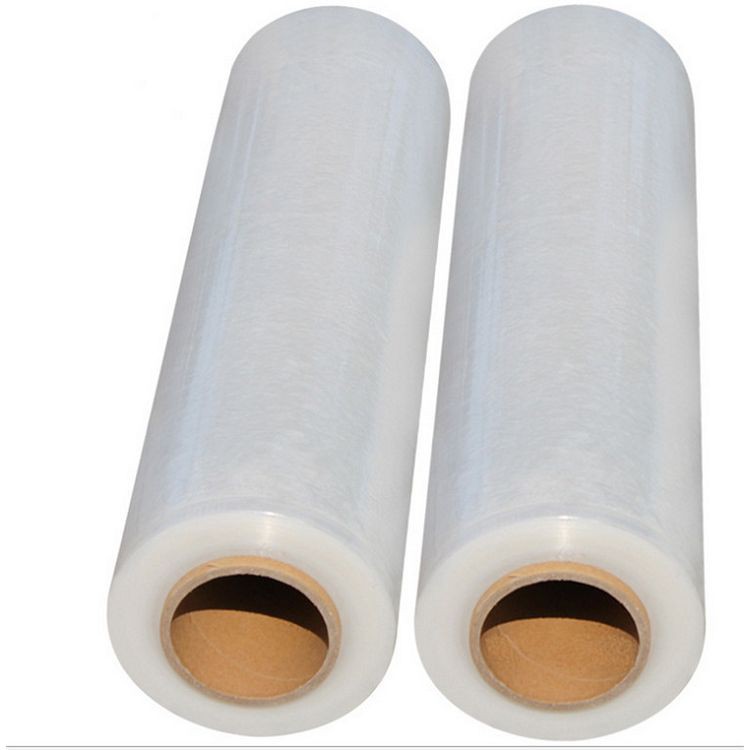
First things first, let's talk about the different types of PE wrapping film we offer. We've got PE Food Wraps, which are specifically designed for direct contact with food. These wraps are safe, hygienic, and do a great job of keeping your food fresh by preventing air and moisture from getting in. Then there's PE Cling Film, which has excellent cling properties. It sticks to itself and to the surface of the food container, creating a tight seal. And for those who are environmentally conscious, we have PE Biodegradable Film, which breaks down more easily in the environment compared to traditional PE films.

Now, let's get into the actual process of wrapping food items.
Wrapping a Plate of Food
This is a common scenario when you want to store leftovers in the fridge. Start by taking a sheet of our PE wrapping film. You don't need to be too precise with the length at this point, but make sure it's long enough to cover the plate completely.
Lay the plate in the center of the film. Then, grab one side of the film and gently stretch it over the plate. The stretching is important because it activates the cling property of the film. As you stretch, it will start to stick to the plate and itself. Work your way around the plate, stretching and pressing the film down firmly. Make sure there are no gaps or loose edges where air could get in. If you're wrapping a plate with a raised edge, you can tuck the film under the edge for a more secure fit.
Wrapping a Bowl of Food
Wrapping a bowl is similar to wrapping a plate, but there are a few extra steps. First, choose a piece of film that's large enough to cover the bowl with some extra to spare. Place the bowl in the center of the film.
Stretch the film over the top of the bowl. Just like with the plate, stretching activates the cling. Press the film down around the rim of the bowl. If the bowl has a deep well, you might need to gather the film in the center and then press it down to create a tight seal. You can also smooth out any wrinkles to make sure the film adheres properly.
Wrapping a Sandwich or a Small Food Item
For sandwiches or small items like individual pieces of fruit or cheese, you can use a different technique. Cut a small piece of film, just big enough to wrap around the item.
Lay the item in the middle of the film. Fold one side of the film over the item, then fold the other side over to meet it. You can then roll the item up tightly in the film. Make sure to press the edges together to seal them. This method works well for keeping sandwiches fresh and preventing them from getting squished.
Wrapping a Large Food Item or a Tray
When you have a large food item, like a whole cake or a tray of appetizers, you'll need a larger sheet of film. Measure the length and width of the item and cut a piece of film that's significantly larger.
Place the item in the center of the film. Start by stretching the film over one end of the item and pressing it down firmly. Then, work your way around the item, stretching and pressing the film as you go. You may need to enlist a friend to help you hold the film in place on the other side. Once you've covered the top, tuck the excess film under the item or around the edges of the tray. This will create a tight, secure wrap.
Tips and Tricks
- Stretching the Film: Stretching is key to getting a good seal. But don't over - stretch it, or it might tear. A gentle, even stretch is usually enough to activate the cling.
- Clean Surfaces: Make sure the surfaces of the food containers are clean and dry before wrapping. Any moisture or debris can prevent the film from sticking properly.
- Avoiding Air Bubbles: If you notice air bubbles forming under the film, you can gently press them out with your fingers. This will help keep your food fresh for longer.
- Using a Cutting Tool: We recommend using a sharp cutter to cut the film. A dull cutter can leave jagged edges or make it difficult to cut cleanly.
Storage and Handling
Once you've wrapped your food items, it's important to store them properly. For items going in the fridge, place them on a flat surface so the film doesn't get disturbed. If you're storing wrapped food at room temperature, make sure it's in a cool, dry place away from direct sunlight.
Our PE wrapping film is also great for freezing food. Just make sure to label the wrapped items with the date and contents so you know what's in there. When you're ready to use the frozen food, simply take it out of the freezer and let it thaw.
As a PE wrapping film supplier, we're always looking for ways to improve our products and provide the best service to our customers. If you have any questions about our PE Food Wraps, PE Cling Film, or PE Biodegradable Film, or if you're interested in purchasing in bulk, don't hesitate to reach out. We can offer you competitive prices and high - quality products that will meet your food - wrapping needs. Whether you're a small business or a large food manufacturer, we've got the right solution for you.
So, if you're in the market for top - notch PE wrapping film, contact us today to start a conversation about your requirements. We're here to help you keep your food fresh and your business running smoothly.
References
- Food Packaging Handbook, Second Edition. Edited by Yam, K. L., & Lee, S. Y.
- Packaging Technology for Food Products. By Robertson, G. L.