


A New Era Of Recyclable PE Cling Film
May 18, 2026
If you still believe that all cling film eventually ends up in a landfill after being thrown in the trash, the latest material technology of 2026 will change your mind. A technological revolution aimed at fully establishing a "film-to-film" closed-loop recycling system is rapidly unfolding in the polyethylene (PE) food wrap sector. The traditional challenge lies in the fact that many flexible packaging materials must combine PE with various other plastics to achieve the necessary barrier properties, heat-sealability, and mechanical strength. These heterogeneous materials are difficult to separate during recycling, resulting in their downgraded use or incineration. The star solution for 2026 is called the All-PE Structure. Through a minimalist design approach in materials science, it ensures that every layer of the packaging is based on materials from the polyethylene family. During recycling, these layers are treated as a single material and can directly enter existing PE recycling streams, achieving true high-quality, grade-matching recycling.
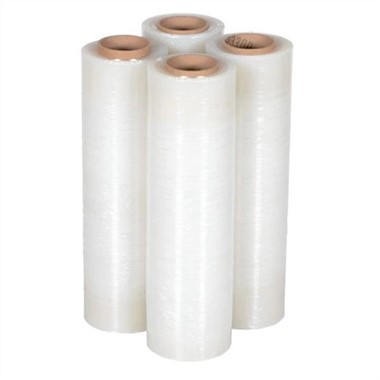

This transformation is not confined to the laboratory stage. Global plastics giants are reusing post-consumer PE resin in the production of new films, paving the way for a closed-loop recycling system. In 2026, Nova Chemicals commercially launched two 100% post-consumer recycled PE resins. These materials are being used to manufacture various packaging films, including shrink wrap and stretch wrap, truly achieving a resource loopback from waste film to new film. This technology is not merely a matter of corporate responsibility; it is gradually becoming a mandatory regulatory requirement. Strict markets such as the European Union are setting increasingly high thresholds for the recycled content of plastic products, while major retailers are also leading the charge. In early 2026, hundreds of supermarkets under New Zealand's Foodstuffs Cooperative fully replaced the previously hard-to-recycle cling film used in their stores with recyclable low-density polyethylene (LDPE) cling film, covering all meat, deli, bakery, and produce departments. This is expected to divert approximately 850 tons of plastic from landfills annually, raising the overall packaging recyclability rate to 94%.
From farm to table, and from kitchen to recycling plant, plastic wrap is finally no longer just a passing phase but has become a true component of the circular economy.


