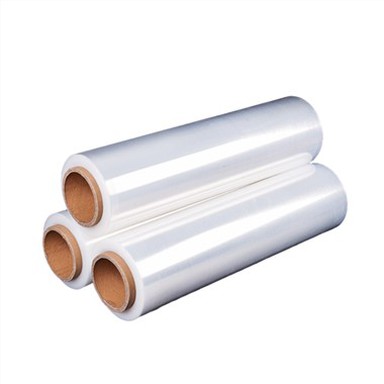
PVC Cling Film: A Transparent Solution That Puts Plasticizer Concerns To Rest
May 18, 2026
When it comes to PVC (polyvinyl chloride) cling film, many people may harbor some reservations-the perception that it is unsafe and unsuitable for microwave use, as well as concerns about plasticizers, have accompanied this highly transparent, tightly adhering packaging material for decades. However, on the global packaging stage in 2026, PVC cling film has not faded into obscurity. Instead, under the heavy pressure of stringent regulations and technological advancements, it has undergone a profound transformation toward safety. As certain low-molecular-weight phthalate plasticizers face strict regulation due to potential endocrine-disrupting risks, major global markets have imposed increasingly stringent restrictions on various additives in food contact materials. Consequently, the PVC cling film industry has accelerated its shift toward using non-toxic, eco-friendly calcium-zinc (Ca-Zn) stabilizers and safer alternative plasticizers. Today, compliant food-grade PVC cling film on the market has fully adopted non-phthalate plasticizers, meeting the stringent migration testing requirements of European and American markets.


Industry data indicates that the global PVC stretch film market continues to grow steadily, with the market size projected to exceed $4 billion by 2032. This demonstrates that PVC film, having undergone a "safety upgrade," continues to hold an unshakable position in the food packaging sector due to its unmatched transparency, excellent conformability, and cost advantages. At the same time, regulatory pressure continues to intensify. The EU's bisphenol A (BPA) ban, revised and officially enacted in February 2026, imposes an ultra-strict detection limit of no more than 1 microgram per kilogram for the migration of bisphenol compounds in all food contact materials. This further compels the reformulation of all food contact materials, including PVC. In New Zealand, the major supermarket chain Foodstuffs has taken the lead in transitioning all fresh food sections across its stores to recyclable low-density polyethylene (LDPE) cling film, a move that has directly boosted packaging recyclability to 94%.
The next time you wrap half a watermelon or leftover braised meat in high-transparency PVC cling film, what you see is not just a crystal-clear protective layer, but a story of how materials science is advancing toward a safer and more responsible future.