


A New Inflection Point For The Overseas Market For Plastic Wrap And Aluminum Foil
May 06, 2026

In European and American households, a roll of plastic wrap and a roll of aluminum foil are practically standard equipment for cooking and storing food. However, 2026 is emerging as a market inflection point for these two everyday items. According to the "Global Food Packaging Film Market Report" released by market research firm Fortune Business Insights, the market size reached $69.52 billion in 2025 and is projected to grow to $120.58 billion by 2034, with a compound annual growth rate (CAGR) of 6.37%. Among these regions, the Asia-Pacific region leads the global market with a 30.83% share.
Even more noteworthy is the strong growth momentum in the high-barrier flexible packaging market. Data from Stratistics MRC indicates that the market size was approximately $16.8 billion in 2026 and is projected to reach $28.4 billion by 2034, with a CAGR of 6.8%. Meanwhile, the tin foil (household aluminum foil) market is also maintaining steady growth. With a global valuation of approximately $3.4 billion in 2024, it is projected to climb to $4.84 billion by 2031, representing a CAGR of 5.6%. Behind this series of growth figures lies a clear signal: consumer demand for convenient, efficient, and sustainable food packaging and storage solutions is surging rapidly. From the booming takeout delivery sector to meal prep for home dining, cling film and aluminum foil-as everyday consumables-are undergoing a transformation from nice-to-have to must-have.

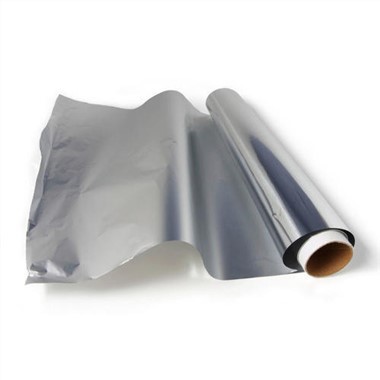
At the same time, innovations in materials science and technology are rapidly redefining the functional boundaries of these products-thinner, stronger, and more eco-friendly food packaging films are becoming the new favorites in major overseas markets. Notably, the global sustainable packaging market is projected to have surpassed $400 billion, with carbon footprint transparency becoming a key competitive factor for businesses. In European and American markets, approximately 67% of consumers are willing to pay a premium for eco-friendly packaging, a figure that rises to 83% among younger consumer demographics.
From a roll of ordinary plastic wrap to a sheet of high-barrier aluminum foil, this packaging revolution in the kitchen is reshaping the future landscape of the food preservation industry at an unprecedented pace.


