


Common Causes Of Poor Adhesion in PVC Cling Film And Proper Usage Methods
Sep 22, 2026
In commercial settings such as supermarket fresh food displays and restaurant kitchens, the sealing performance of PVC cling film directly impacts food preservation and packaging efficiency. Insufficient adhesion and edges that curl up or peel off are common problems encountered by many users. While most people tend to attribute these issues directly to product quality, in reality, the raw material formulation, environmental conditions, and handling methods all have a significant impact on adhesion performance. As a professional manufacturer of food packaging materials, Dongguan Juyou Paper and Plastic Products draws on years of experience in the R&D and production of PVC cling film to break down the core causes of poor adhesion and share standardized usage methods and product selection recommendations.

Differences in Raw Material Formulations: The Underlying Determinant of Adhesive Performance
The adhesive performance of PVC cling film stems primarily from the plasticizer formulation system. Inferior products often use low-quality plasticizers or have imbalanced ratios, resulting not only in weak initial adhesion but also in rapid migration and loss over time, causing the adhesive strength to decline significantly after a period of use. Insufficient raw material purity and excessive impurities can also compromise the film's surface adhesion, leading to poor adhesion and easy peeling. Dongguan Juyou Paper and Plastic Products' PVC cling film uses food-grade, compliant plasticizers. Through precise formulation adjustments, it delivers uniform and long-lasting tack while meeting food contact safety standards and is suitable for high-frequency commercial packaging applications.
Environment and Contact Surfaces: Key External Variables Affecting Tack
Environmental temperature and humidity, along with the condition of the contact surface, are the most commonly overlooked factors. In low-temperature refrigeration environments, PVC cling film hardens to some extent, reducing molecular activity and resulting in weaker adhesion compared to room temperature conditions. When the contact surface has residual moisture, grease, or dust, the film cannot adhere fully to the tray, making it highly prone to curling at the edges and peeling off. Additionally, excessively smooth metal or glass surfaces are more difficult to adhere to than ordinary plastic or ceramic trays. It is recommended to wipe away any water or oil residue from the contact surface before use. In refrigerated environments, prioritize the use of PVC cling film specifically designed for low-temperature applications.


Improper Handling: Human Factors That Exacerbate Adhesion Failure
Incorrect handling can significantly reduce the sealing effectiveness of PVC cling film. Many users overstretch the film during packaging, exceeding its elastic limit, which damages the adhesive layer's structure and causes the film to spring back and detach after application; Pulling the film too quickly or failing to press down on the edges to remove air after application can also result in poor adhesion and air leaks. Additionally, rough edges caused by a dull cutting tool can compromise the seal along the edges. To ensure proper use, apply moderate tension and, after wrapping, gently press along the entire perimeter of the tray to remove air bubbles and enhance adhesion.
Product Selection and Usage Optimization: A Comprehensive Solution for Ensuring Adhesive Performance
To consistently achieve the adhesive performance of PVC cling film, it is essential to address both product selection and usage guidelines. When purchasing, prioritize products from reputable manufacturers and select specifications appropriate for the application: choose low-temperature-resistant types for refrigerated environments and high-adhesion, thickened variants for high-frequency commercial use. During use, keep the contact surface clean and dry, control the degree of stretching, and replace the cutting blade regularly. Dongguan Juyou offers PVC cling film in various adhesion grades and provides complementary cutting tool solutions to help customers in the food service and retail sectors achieve optimal sealing and freshness retention.
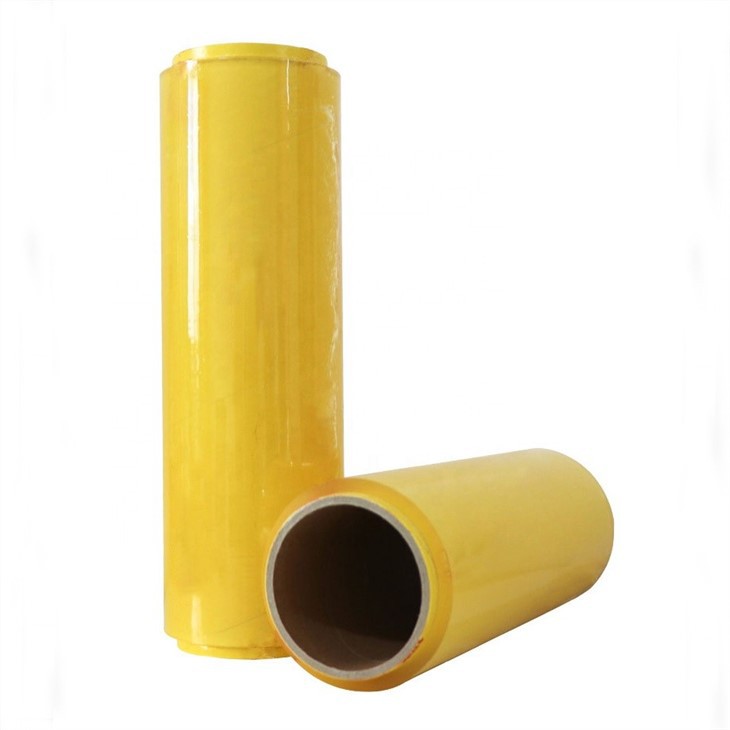
In summary, poor adhesion in PVC cling film is not a single quality issue but rather the result of the combined effects of raw material quality, environmental conditions, and handling methods. By selecting the appropriate product and following proper usage guidelines, users can fully leverage its sealing and freshness retention benefits. As a Dongguan-based manufacturer specializing in food packaging materials, Dongguan Juyou Paper and Plastic Products Co., Ltd. not only provides high-quality PVC cling film and aluminum foil products but also offers scenario-based usage guidance and consumables optimization solutions to help customers improve operational efficiency.


